The Role of the Solicitor in an SSAS Property Purchase
Written by Matt Lenzie
Former Banker & Corporate Finance Partner
Why You Need a Specialist SSAS Solicitor
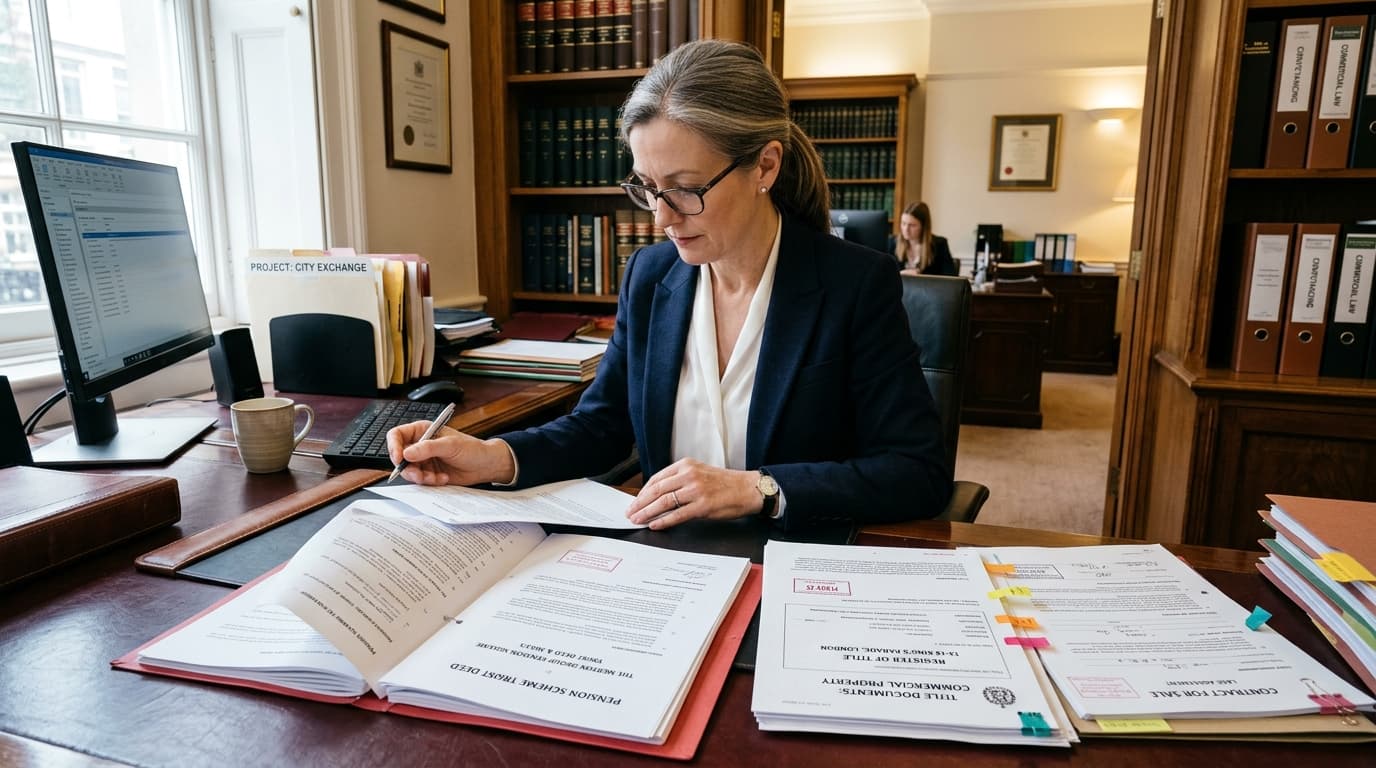
Not every commercial property solicitor has experience acting for SSAS pension scheme trustees. The legal framework of a pension trust — with its HMRC registration requirements, trustee governance obligations, and specific restrictions on connected party transactions — adds complexity that a solicitor without pension experience may not be equipped to handle efficiently.
When instructing a solicitor for an SSAS property purchase, specifically ask about their experience acting for pension scheme trustees. A solicitor with SSAS experience will understand the additional documentation required, the pensioneer trustee's approval process, and the lender's solicitor requirements without needing extensive education on the basics.
In our experience, using a solicitor unfamiliar with SSAS purchases can add 4-6 weeks to a transaction through avoidable back-and-forth. This is particularly problematic where the vendor has a competing offer or a tight completion deadline.
The Solicitor's Core Role in the SSAS Purchase
1. Reviewing and Reporting on Title
The solicitor's primary legal function is to investigate the vendor's title to the property and report to the trustees on the findings. This involves:
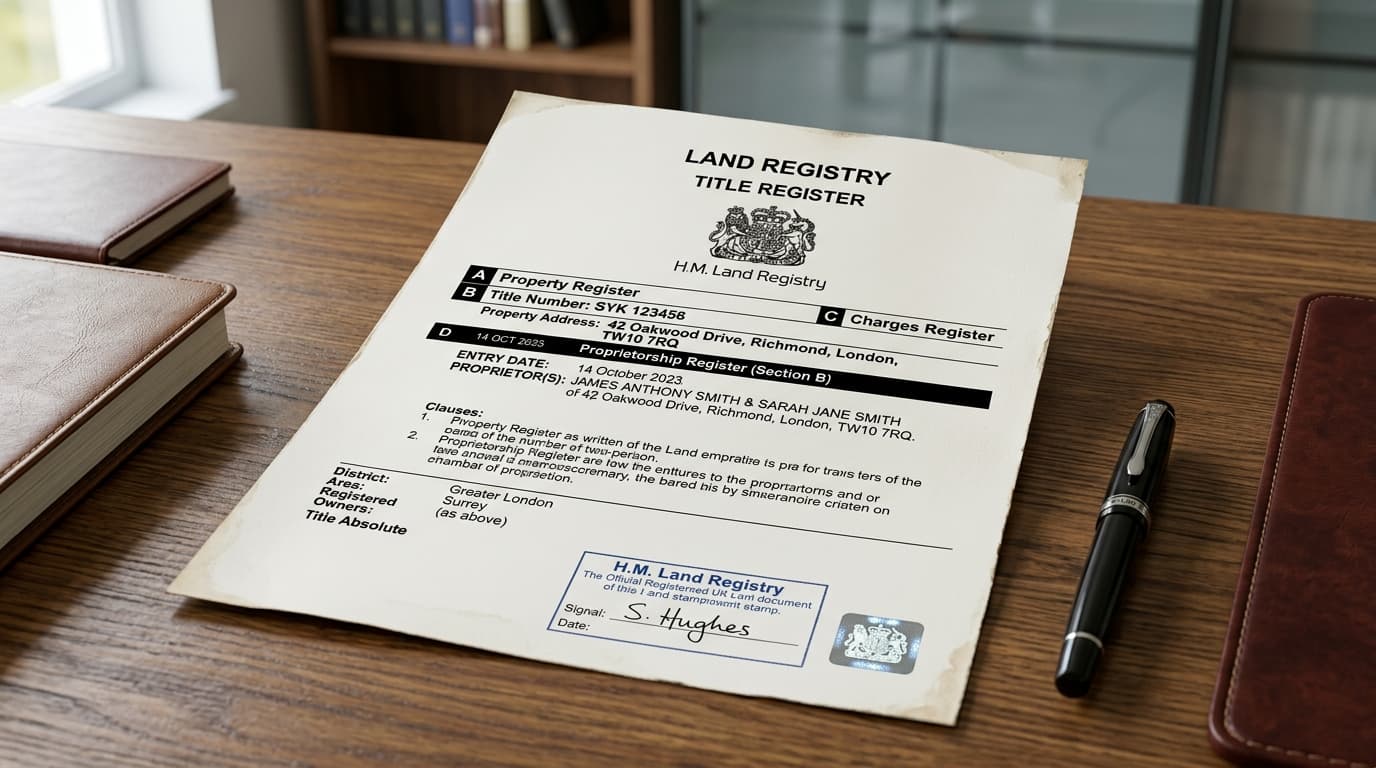
- Reviewing the official Land Registry title register and title plan
- Identifying and explaining any restrictive covenants, easements, or rights that affect the property
- Reporting on any charges or encumbrances that must be discharged on completion
- Advising on any title defects and the options for resolving them (title insurance, legal remedy, etc.)
The solicitor will produce a title report addressed to the trustees that summarises their findings and highlights any issues requiring trustee attention or decision.
2. Conducting Property Searches
The solicitor commissions a standard suite of property searches, including:
- Local authority search: Planning permissions, enforcement notices, road adoption, tree preservation orders
- Drainage search: Connection to public sewers, drainage easements
- Environmental search: Land contamination, flood risk, ground stability
- Mining search: Where relevant to the property location
- Planning search: Detailed planning history and any current applications
For an SSAS property purchase, the solicitor should also consider any specific searches relevant to the property type and use. An industrial property may warrant a more detailed environmental search; a retail unit may require a more extensive planning history review.
3. Reviewing Existing Leases
Where the property being purchased is tenanted, the solicitor reviews the existing lease(s) on behalf of the trustees. Key matters to review include:
- Lease term remaining and any break clause provisions
- Rent review dates and the mechanism for review (upward only, market review, index-linked)
- Tenant's repairing and insuring obligations
- Any alienation restrictions (subletting, assignment)
- Any outstanding landlord or tenant obligations
Matt Lenzie notes: "An SSAS buying a tenanted commercial property is acquiring the landlord's position under an existing lease. Trustees must understand what obligations that lease imposes on them as the new landlord — and whether the tenant covenant is strong enough to support the mortgage rental income requirement."
4. Advising on SDLT and VAT
Stamp Duty Land Tax (SDLT) applies to commercial property purchases. The solicitor calculates the applicable SDLT and submits the SDLT return to HMRC within 14 days of completion, with payment due at the same time.
Where the property has been "opted to tax" for VAT purposes by the vendor, the purchase price may be subject to VAT (at 20%). The SSAS will need to consider whether to make its own option to tax (which allows VAT recovery on acquisition costs but requires charging VAT on future rents) or to use the Transfer of Going Concern (TOGC) provisions to avoid VAT on the purchase. The solicitor and the scheme's accountant should advise on the optimal VAT position.
5. Drafting the Transfer Document
The solicitor prepares the TR1 (or equivalent) transfer document that formally transfers ownership of the property from the vendor to the SSAS trustees. This document must correctly identify the trustees as the buyers — including the pensioneer trustee where they are a trustee of the scheme.
6. Drafting the New Lease
Where the SSAS is purchasing a vacant property to lease to the sponsoring employer (or a third-party tenant), the solicitor will draft the new commercial lease. The lease must be at a commercial rent and on commercial terms. For the leaseback to the sponsoring employer, the lease terms must be demonstrably at arm's length — typically evidenced by the RICS surveyor's rental assessment.
Commercial leases are complex documents. The solicitor should ensure the lease adequately protects the SSAS's position as landlord, including appropriate repair obligations on the tenant, rent review provisions, and rights of re-entry in case of default.
7. Acting on the Mortgage (if applicable)
Where the SSAS is taking mortgage finance, the lender will instruct their own solicitors. The SSAS's solicitor and the lender's solicitor must work together to ensure the title is adequate for mortgage purposes and that the security documentation is correctly executed. This "dual representation" arrangement means the SSAS solicitor must satisfy not only the trustees but also the lender's requirements.
8. Completion and Post-Completion
On the completion date, the solicitor:
- Receives the mortgage drawdown from the lender
- Transfers the purchase price to the vendor's solicitors
- Receives the title documents from the vendor
- Submits the SDLT return
- Registers the SSAS trustees as new owners at HM Land Registry
Land Registry registration can take several weeks to complete following submission. Until registration is complete, the SSAS holds a beneficial interest in the property. For more detail on the registration process, see our guide on SSAS title registration.
Solicitor's Fees for SSAS Property Purchases
Solicitor's fees for commercial property transactions involving an SSAS vary with property value and complexity. As a guide:
- Properties up to £500,000: £1,500-£3,500 + VAT
- Properties £500,000-£2,000,000: £3,500-£8,000 + VAT
- Properties £2,000,000+: Negotiated, often from £8,000 + VAT
Disbursements (searches, SDLT, Land Registry fees) are additional. All fees and disbursements are legitimate SSAS expenses payable from scheme funds.
"The solicitor is the legal gatekeeper of the SSAS property transaction. Choose one with genuine pension trust experience and the transaction will be smoother, faster, and more robust. The cost of specialist experience is trivial compared to the cost of delays or getting the legal structure wrong."
— Matt Lenzie, Former Banker & Corporate Finance Partner
Key Takeaways
- Always instruct a solicitor with specific experience acting for SSAS pension scheme trustees
- The solicitor investigates title, conducts searches, reviews leases, advises on SDLT/VAT, and handles completion
- Where a lease to the sponsoring employer is being created, the terms must be demonstrably commercial
- Where mortgage finance is involved, the SSAS solicitor must satisfy both the trustees and the lender's requirements
- SDLT is payable within 14 days of completion and must be calculated correctly by the solicitor
- Land Registry registration takes several weeks after completion
Ready to find the right finance for your SSAS property purchase? Contact our team or explore our SSAS property finance options.
About the Author
Matt Lenzie
Former Banker & Corporate Finance Partner
Matt Lenzie is a former banker and corporate finance partner with extensive experience in pension-backed property transactions. He founded SSAS Property Finance to help company directors and trustees navigate the complexities of commercial property acquisition through Small Self-Administered Schemes.