RICS Valuations for SSAS Property Purchases: A Trustee's Guide
Written by Matt Lenzie
Former Banker & Corporate Finance Partner

The RICS Valuation in the SSAS Context
In the world of SSAS property investment, the RICS Red Book valuation occupies a unique position: it is simultaneously a legal requirement, an underwriting tool for lenders, and a governance document for trustees. Understanding its full role and scope helps trustees commission valuations efficiently and use the output effectively.
A RICS Red Book valuation is not the same as an estate agent's appraisal, an online automated valuation, or an "opinion of value" letter from a local surveyor. It is a formal written valuation prepared under the RICS Valuation — Global Standards, using a defined methodology, and producing a conclusion of value that the surveyor stands behind professionally and legally.
What the RICS Red Book Requires
To qualify as a compliant Red Book valuation, the report must meet specific requirements of the RICS Valuation — Global Standards (the "Red Book") and, for UK valuations, the UK National Supplement. Key requirements include:
- Prepared by a qualified RICS member in good standing (MRICS or FRICS)
- Physical inspection of the property (mandatory for Red Book valuations, with narrow exceptions)
- Clear statement of the valuation date, basis of value, and purpose
- Supporting analysis and comparables evidence
- Signed certification by the valuing surveyor
- Terms of Engagement agreed in advance with the client
A valuation that does not meet these requirements will not be accepted by HMRC, the pensioneer trustee, or an SSAS lender. It is worth confirming with the surveyor before instructing them that their report will be a full Red Book valuation in accordance with the current edition of the RICS Valuation Global Standards.
Bases of Value Used in SSAS Transactions
The Red Book defines several "bases of value." For SSAS property purchases, the relevant basis is almost always Market Value — defined as "the estimated amount for which an asset or liability should exchange on the valuation date between a willing buyer and a willing seller in an arm's-length transaction after proper marketing and where the parties had each acted knowledgeably, prudently and without compulsion."
In addition to Market Value, the surveyor will typically also provide an opinion of Market Rent — the estimated annual rent at which the property would be let on the open market. This is particularly important where the SSAS intends to grant a new lease to the sponsoring employer, as HMRC requires the rent to be at open market levels.
The Valuation Process
Instruction and Terms of Engagement
The formal instruction is made by the SSAS trustees (as the parties commissioning the valuation). The surveyor will issue Terms of Engagement setting out the scope of the valuation, the basis of value, the intended use of the report, the fee, and any limitations on reliance.
For SSAS purposes, the report should specifically state that it is addressed to (and may be relied upon by) both the SSAS trustees and, where applicable, the mortgage lender. Ensuring the lender is named as an addressee from the outset avoids needing a separate "reliance letter" later.
Property Inspection
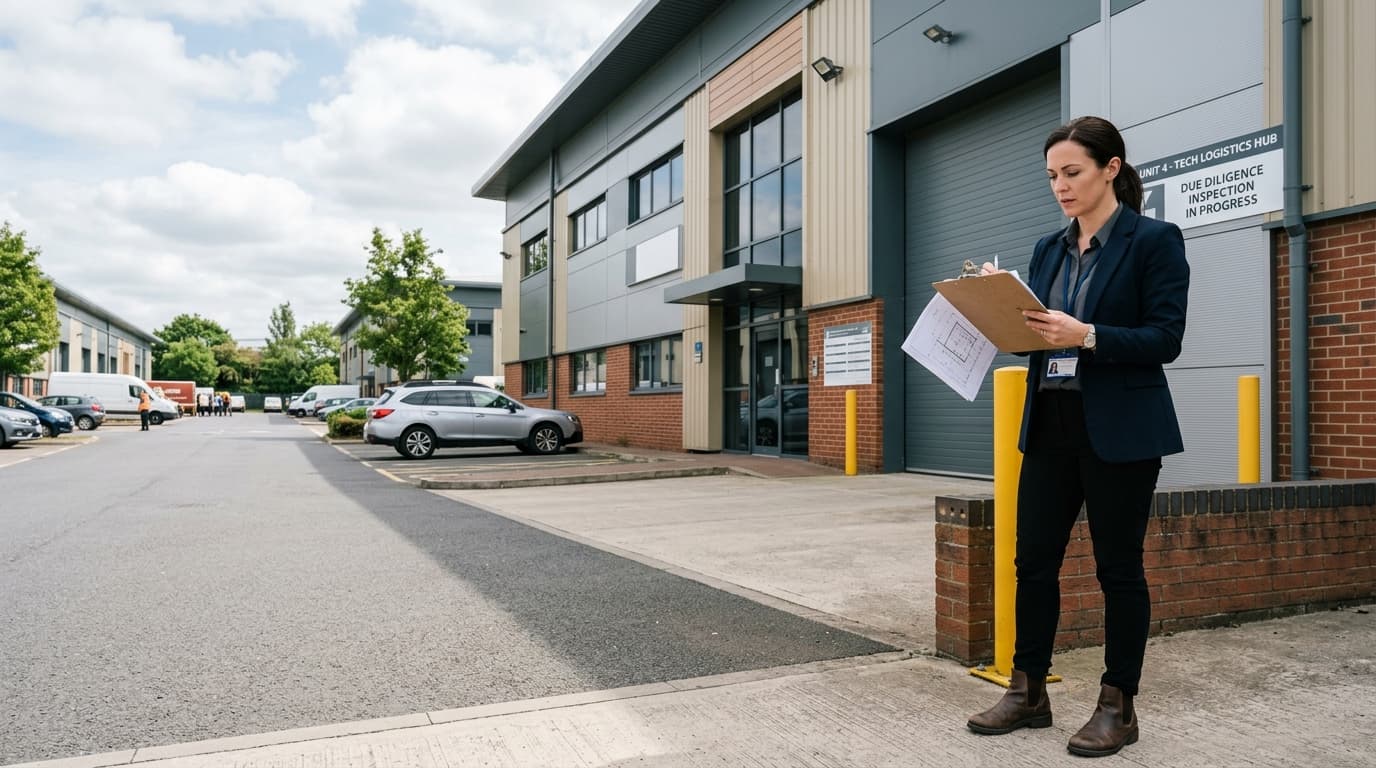
The surveyor will visit and inspect the property — typically spending 30-120 minutes on site depending on the property size and complexity. They will photograph the property, measure floor areas (or verify existing floor area information), and note any material condition issues or planning matters that may affect value.
Market Research and Analysis
After inspection, the surveyor researches comparable market evidence — recent sales and lettings of comparable properties in the area. They will apply this evidence to the subject property using the appropriate valuation methodology.
For investment properties (tenanted commercial), the primary methodology is typically the investment method (capitalising the rental income at an appropriate yield). For vacant properties, comparable sales evidence and the income method (using estimated market rent) are typically used together.
Report Production
The surveyor produces a written report — typically 10-30 pages — setting out their analysis, comparable evidence, and valuation conclusion. Delivery timescales vary from 5-15 business days after inspection depending on the property type and the surveyor's workload.
What SSAS Trustees Should Look for in the Report
When reviewing the RICS valuation report, trustees should specifically check:
- The date of valuation (must be current — lenders typically require the valuation to be no more than three months old at completion)
- The Market Value figure (the maximum purchase price the SSAS can pay)
- The Market Rent figure (the minimum rent that must be charged to the tenant)
- Any material condition issues the surveyor has identified
- Any planning, environmental, or title matters the surveyor has flagged
- Any caveats or assumptions underlying the valuation that may be significant
Matt Lenzie notes: "Trustees sometimes receive a RICS valuation report and simply note the headline value figure. I would encourage them to read the full report — the commentary on condition, market conditions, and any caveats can contain important information that affects the investment case."
Dealing with a Valuation That Does Not Support the Price
If the RICS valuation comes in below the agreed purchase price, the trustees are in a difficult position: they cannot legally pay above market value. Their options are:
- Renegotiate the price down to the RICS value
- Challenge the valuation through the RICS complaints process if there are genuine grounds to believe it is incorrect (e.g., incorrect comparables, missed floor area, factual error)
- Commission a second valuation from a different surveyor — though this only makes sense if there is a substantive reason to believe the first was wrong
- Withdraw from the transaction if the price cannot be agreed
Trustees should not instruct the pensioneer trustee to "turn a blind eye" to a valuation shortfall — this creates serious HMRC compliance risk.
Annual and Rent Review Valuations
After the initial purchase valuation, RICS valuations are required at other stages of the property's life in the SSAS:
- Annual accounting: A formal Red Book update is not always required for annual accounts, but trustees should obtain at least a desktop update from the surveyor to ensure the carrying value is materially accurate
- Rent reviews: When the lease provides for rent review, an independent RICS assessment of the current market rental value is essential — particularly for connected party leases
- Sale: Before any sale, an independent valuation confirms the minimum price at which the trustees should transact
"The RICS surveyor is one of the unsung heroes of the SSAS property transaction. They are the independent voice that confirms the price is fair, the rent is commercial, and the investment stacks up. Choose them carefully and trust their professional judgement."
— Matt Lenzie, Former Banker & Corporate Finance Partner
Key Takeaways
- A RICS Red Book valuation is mandatory for all SSAS property purchases, connected party transactions, and rent reviews
- The report must be addressed to both the SSAS trustees and (where applicable) the mortgage lender
- The Market Value figure is the maximum price the SSAS can pay; the Market Rent figure is the minimum rent that can be charged
- Read the full valuation report — condition comments, caveats, and assumptions are as important as the headline figure
- If the valuation is below the agreed price, renegotiate — do not proceed at above market value
- Annual updates and rent review valuations are required throughout the property's life in the SSAS
Looking to finance an SSAS commercial property purchase? Contact our team or explore our lender panel to find specialist SSAS mortgage providers.
About the Author
Matt Lenzie
Former Banker & Corporate Finance Partner
Matt Lenzie is a former banker and corporate finance partner with extensive experience in pension-backed property transactions. He founded SSAS Property Finance to help company directors and trustees navigate the complexities of commercial property acquisition through Small Self-Administered Schemes.