SSAS Industrial Unit Purchase: Warehouses and Light Industrial in Your Pension
Written by Matt Lenzie
Former Banker & Corporate Finance Partner
SSAS Industrial Unit Purchase: The Case for Manufacturing and Warehouse Assets
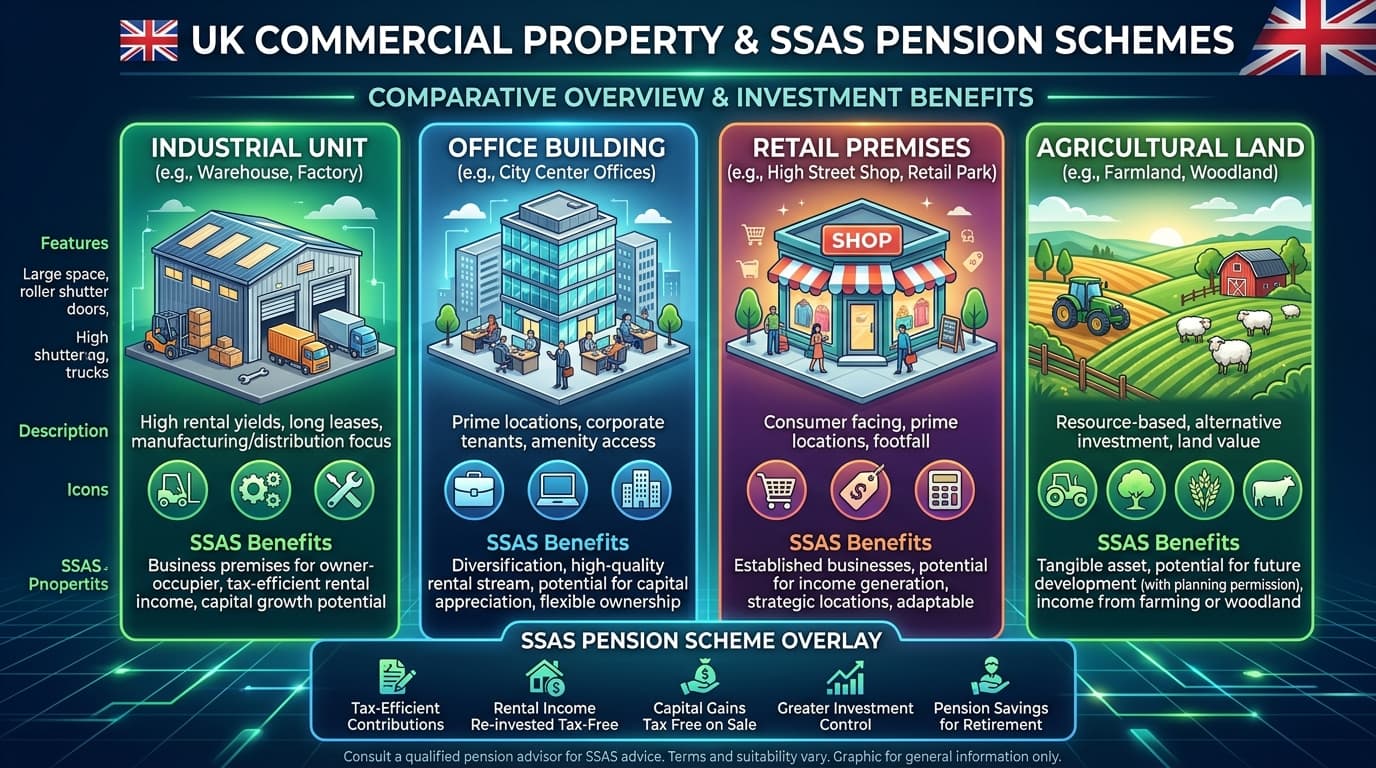
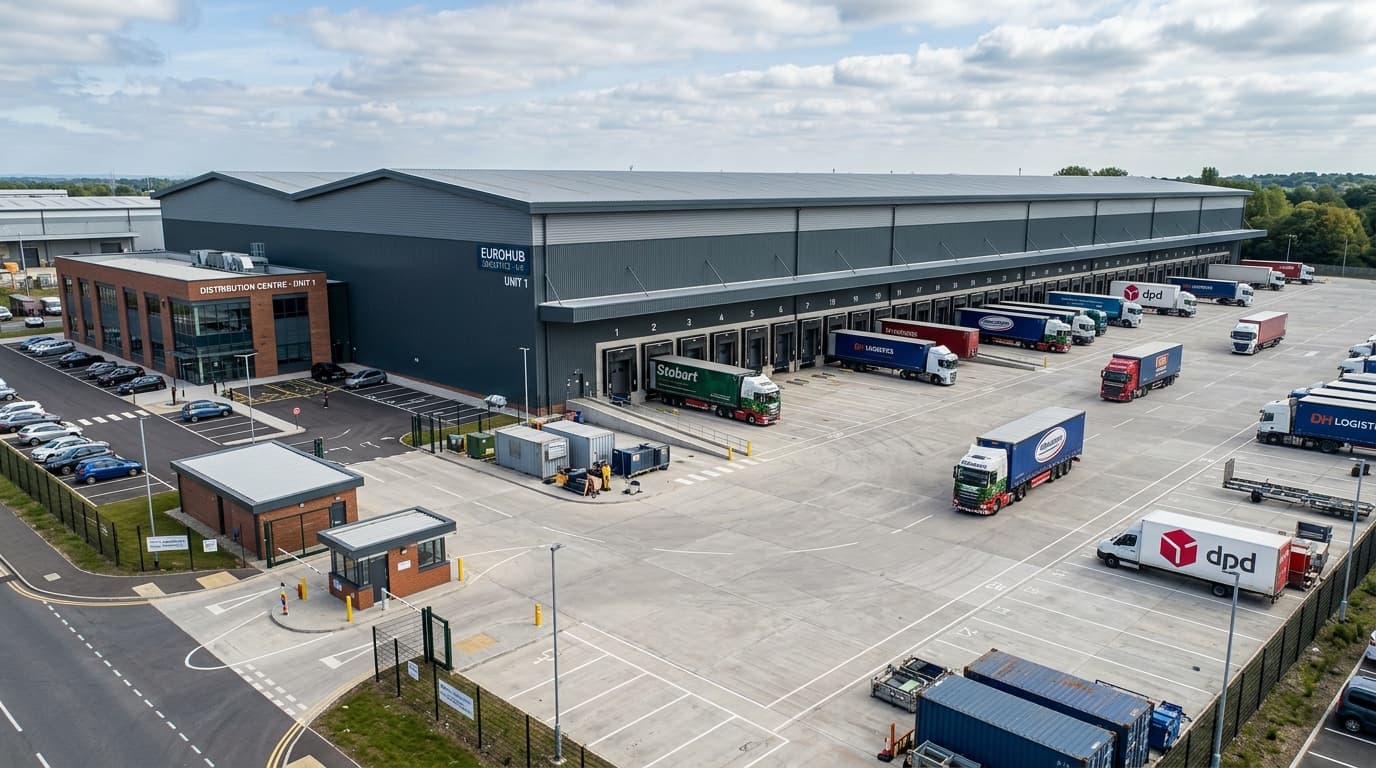
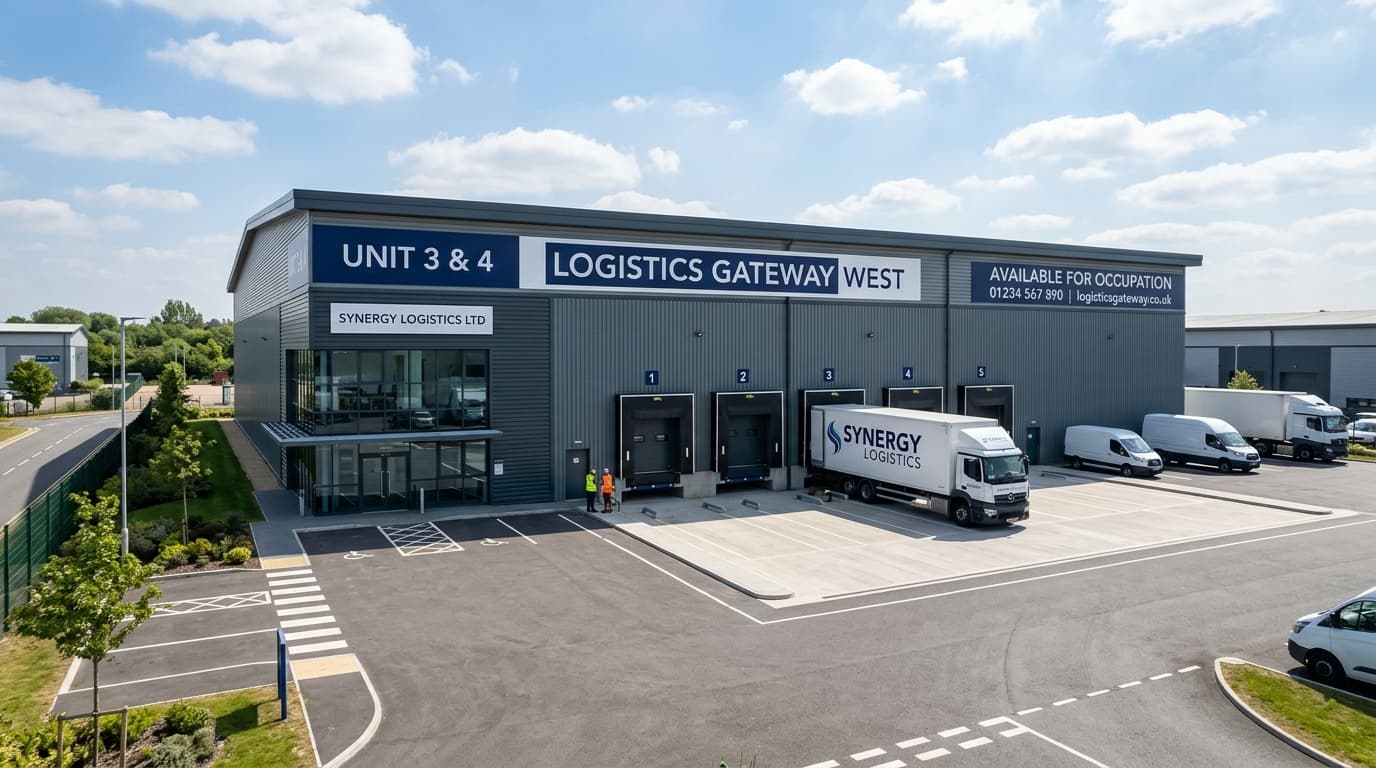
Industrial property — including warehouses, distribution centres, light industrial units, and trade counter premises — has been the standout performer in the UK commercial property market in recent years. Driven by the structural growth in e-commerce and the re-shoring of manufacturing, industrial assets have delivered strong rental growth and capital appreciation that outpaces most other commercial property sectors.
For SSAS pension scheme trustees, the appeal of industrial property goes beyond market performance. These assets are typically unambiguously commercial (no residential complications), often occupied by the sponsoring employer's business, and well-suited to the long-term investment horizon of a pension scheme.
Why Industrial Property Suits SSAS Investment
Industrial units are particularly well-suited to SSAS investment for several reasons:
- Clear commercial classification: Warehouses and industrial units are unambiguously commercial property — no risk of the HMRC residential property trap
- Connected party appeal: Manufacturing businesses, wholesalers, and trade businesses typically operate from industrial premises, making connected party leases natural
- Structural demand drivers: E-commerce growth, supply chain re-shoring, and logistics expansion underpin demand for industrial space
- Relatively lower entry price: Compared to prime office or retail, industrial units can be acquired at more accessible price points, broadening the universe of potential SSAS investors
- Simple management: Industrial units are typically let on a full repairing and insuring (FRI) basis, meaning tenant responsibility for repairs and insurance — low management burden for the SSAS
Connected Party Industrial Leases
Many of the SSAS industrial unit investments we facilitate involve the sponsoring employer as the tenant. Manufacturing companies, trade businesses, and logistics operators commonly occupy industrial premises — making the SSAS purchase and connected party lease a natural fit.
As with all connected party transactions, the rent must be set at a genuine market rate supported by an independent RICS valuation. For industrial property, market rents are typically expressed as a rate per square foot per annum, and comparable evidence is generally available from nearby lettings.
"Industrial units are the sweet spot for many of our clients with manufacturing or trade businesses. The property is straightforward, the connected party lease is easy to establish at market rate, and the tenant — the client's own business — is as creditworthy as any tenant you could find. It's a very clean investment proposition." — Matt Lenzie
Investment Grades of Industrial Property
SSAS trustees should be aware of the different grades of industrial property available:
- Modern Grade A industrial: New-build or recently refurbished units with large floor plates, high eaves heights, and good yard space. Typically let to national or multinational tenants on long leases. Higher capital values but strong income security
- Secondary industrial: Older units in established estates, often with smaller floor plates and lower eaves heights. More accessible for smaller SSAS schemes. May require maintenance capex but offer higher initial yields
- Trade counter/retail warehouse: Units with prominent frontage and high visibility, occupied by trade operators, builders' merchants, or similar. Benefit from high footfall and strong demand
- Multi-let industrial estates: Larger schemes with multiple tenants. Higher management complexity but income diversification reduces vacancy risk
EPC Compliance in Industrial Property
Energy Performance Certificate (EPC) requirements are becoming increasingly important for commercial property owners. Under current legislation, commercial landlords cannot grant new leases on properties with an EPC rating below E. Proposed future legislation may tighten this further.
For SSAS trustees considering industrial property acquisitions, EPC assessment is an essential part of due diligence:
- Commission an EPC before purchase — do not rely on the seller's certificate
- Assess the cost of improvement works required to achieve compliance
- Factor EPC improvement costs into the acquisition price negotiation
- Consider the potential impact of future EPC requirements on the long-term value and lettability of the asset
Financing Industrial Units Through a SSAS
Industrial property is generally well-supported by SSAS mortgage lenders, particularly for established assets with strong tenants on reasonable lease terms. Key financing points:
- SSAS borrowing is limited to 50% of the scheme's net asset value
- Lenders typically offer loan-to-value ratios of 65-75% for quality industrial assets
- Vacant industrial units (pending a new tenant) may require higher equity contribution
- Interest-only terms are commonly available, preserving the scheme's cash flow
Use our SSAS mortgage calculator to model financing scenarios for your target industrial unit. Explore the range of SSAS mortgage lenders we work with for industrial property acquisitions.
Key Takeaways
- Industrial property has been one of the best-performing commercial property sectors in the UK
- SSAS schemes can hold industrial units to generate tax-free rental income and CGT-exempt gains
- Connected party leases to the sponsoring employer are particularly common with industrial assets
- Full repairing and insuring leases minimise the management burden on SSAS trustees
- EPC compliance is an increasingly important consideration in industrial property due diligence
Arrange Finance for Your SSAS Industrial Unit
Our team has extensive experience arranging SSAS mortgage finance for industrial property acquisitions of all sizes. Contact us to discuss your requirements or read our guide on warehouse investment through a SSAS.
For further reading, see our articles on tax-free rental income and choosing the right property type.
About the Author
Matt Lenzie
Former Banker & Corporate Finance Partner
Matt Lenzie is a former banker and corporate finance partner with extensive experience in pension-backed property transactions. He founded SSAS Property Finance to help company directors and trustees navigate the complexities of commercial property acquisition through Small Self-Administered Schemes.