SSAS Mixed-Use Deal: A Worked Example
Written by Matt Lenzie
Former Banker & Corporate Finance Partner
SSAS Mixed-Use Property: Structuring for Compliance and Returns
Mixed-use commercial properties — buildings that combine commercial ground floors with residential upper floors — can offer attractive investment characteristics: higher overall yields, multiple income streams, and locations in established town centres. However, they present a specific challenge for SSAS trustees: HMRC prohibits pension schemes from holding residential property.
This case study shows how a pair of SSAS trustees structured the acquisition of a mixed-use building to access the commercial element within the scheme while handling the residential element correctly outside it.
The Property
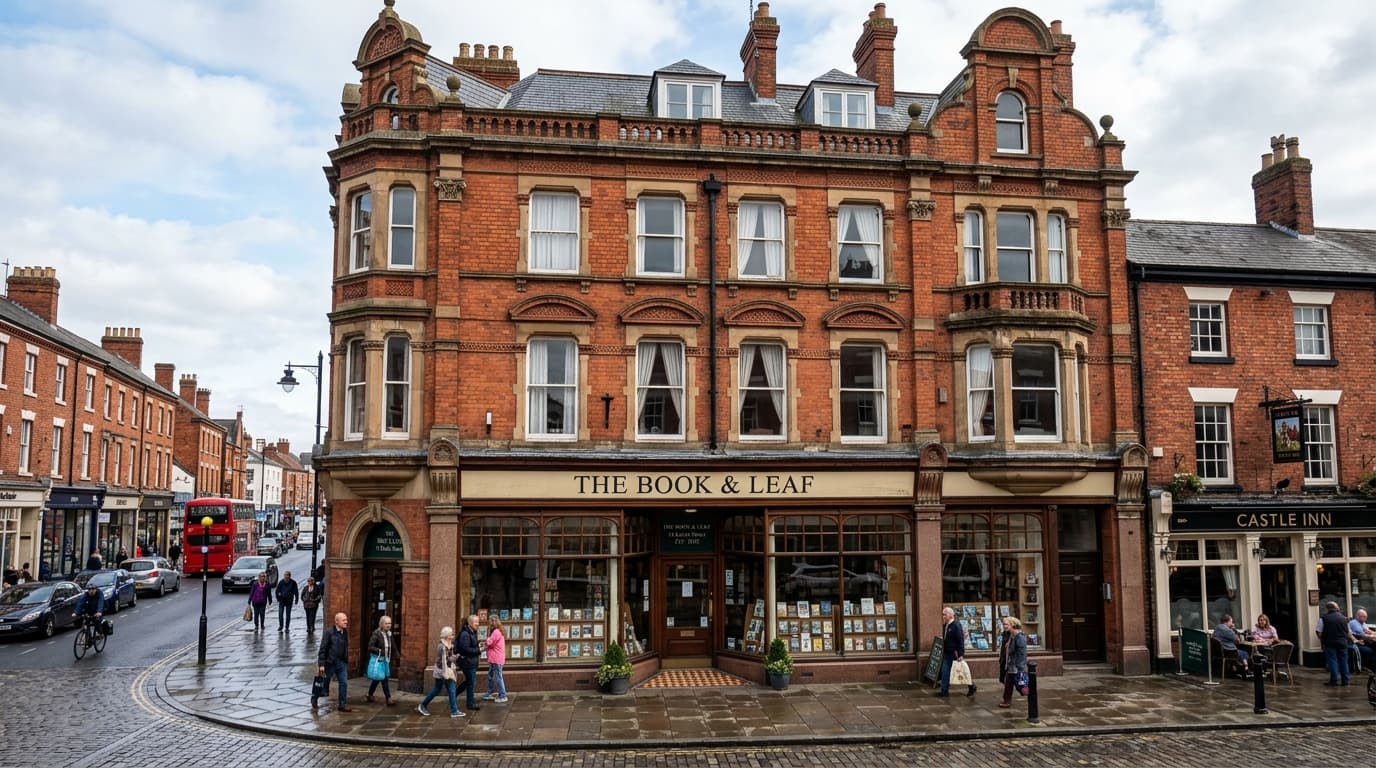
A Victorian building in a prosperous market town is available for £580,000. It comprises:
- Ground floor: a 1,800 sq ft retail unit currently let to a national pharmacy chain at £28,000 per year on a 10-year FRI lease (7 years remaining)
- First and second floors: a self-contained 3-bedroom residential flat, currently vacant, with an estimated market rent of £14,400 per year (£1,200 per month)
The SSAS has two members — a married couple who jointly own a dental practice. Total scheme assets: £420,000. Both members are aged in their mid-40s, with a long investment horizon.
The Structural Challenge: Residential Property Is Prohibited
Under HMRC's rules, certain categories of property are "taxable property" for pension purposes — meaning holding them inside a pension scheme triggers significant tax charges. Residential property is the primary category of taxable property. The flat above the pharmacy cannot be held within the SSAS.
This does not mean the deal is impossible. It means the acquisition must be structured to separate the commercial and residential elements.
"Mixed-use properties are a frequent area of confusion for SSAS trustees. The rule is simple — the residential element cannot go into the pension scheme. But the solution is equally straightforward: split the acquisition, with the SSAS buying the commercial element and the trustees buying the residential element personally or through a separate vehicle." — Matt Lenzie
The Acquisition Structure
The building is valued separately by component:
- Commercial ground floor (long leasehold of retail unit): £380,000
- Residential upper floors (freehold flat): £200,000
- Total: £580,000
Structure agreed:
- The SSAS acquires: The long leasehold interest in the ground floor retail unit for £380,000
- The trustees personally acquire: The freehold residential flat for £200,000, using personal savings and a buy-to-let mortgage arranged outside the pension scheme
The vendor agrees to this split acquisition, with both transactions completing simultaneously.
SSAS Mortgage on the Commercial Element
The SSAS borrows £190,000 (50% LTV on the £380,000 commercial value) to fund half the retail unit acquisition. Equity contribution from scheme: £190,000 plus £19,000 in acquisition costs = £209,000 total from scheme cash.
Lender terms offered: £190,000 at 6.25% interest-only over 12 years. Annual interest: £11,875. The pharmacy chain's passing rent of £28,000 provides coverage of 2.36x — well within standard criteria.
The national pharmacy covenant (the tenant is a major publicly listed company) is a significant positive underwriting factor. Lenders value strong tenant covenants highly — they reduce the risk of rental voids and income disruption.
The Personal Residential Acquisition
The trustees acquire the flat personally for £200,000. They fund this with £60,000 in personal savings and a £140,000 buy-to-let mortgage at 5.8% interest-only. The flat is let to a young professional couple at £1,200 per month (£14,400 per year).
Note: the residential flat sits entirely outside the pension scheme and is subject to normal buy-to-let taxation — rental income is taxable at the trustees' marginal income tax rates, and any capital gain on sale will be subject to capital gains tax. This is the cost of compliance with HMRC's rules.
Combined Investment Outcomes
Looking at the total investment across both elements:
SSAS commercial element (within pension scheme):
- Commercial value: £380,000
- Annual rent: £28,000
- Annual mortgage interest: £11,875
- Net income to scheme: £16,125 (tax-free)
- 7 years of existing lease remaining (strong income visibility)
Personal residential element (outside pension scheme):
- Residential value: £200,000
- Annual rent: £14,400
- Annual mortgage interest (BTL): £8,120
- Net income before personal tax: £6,280
Total annual net income across both investments: approximately £22,400 combined (before personal income tax on the residential element).
The Rent Review and Lease Expiry Horizon
The pharmacy lease has 7 years remaining. At the expiry, the trustees will need to either renegotiate the lease with the existing tenant or market the retail unit for a new tenant. In a prime market town location, the retail element has strong prospects for renewal at market rent.
The trustees' solicitors include a provision in the scheme's asset management notes to commence a lease renewal strategy 18 months before expiry — well in advance of any potential void.
Lessons from This Transaction
Several important lessons emerge from this case study:
- Always obtain a split valuation early. Some mixed-use buildings cannot easily be split — for example, where the upper floors are accessed through the commercial unit. Identify structural and legal complications before agreeing heads of terms.
- The vendor's cooperation is essential. Not all vendors will agree to a split acquisition. Those selling mixed-use buildings with sitting tenants who are institutional (like the pharmacy chain) are often more flexible.
- Specialist legal advice is non-negotiable. Creating a long leasehold for the SSAS while retaining the residential freehold requires specialist commercial property solicitors with experience in pension scheme structures.
- The residential element is not a second-class investment. Outside the pension scheme, it still generates a return — it just does so without the pension tax wrapper.
For more on which property types are eligible for SSAS investment, read our comprehensive guide on SSAS property finance. For a simpler acquisition example, see our article on the £500,000 SSAS office purchase.
Key Takeaways
- SSAS schemes cannot hold residential property — doing so triggers significant tax charges
- Mixed-use buildings can be acquired through a split structure: commercial in the SSAS, residential personally
- A national tenant covenant (like a major pharmacy chain) strengthens the SSAS mortgage application
- The residential element generates returns outside the pension scheme, but without the tax-free wrapper
- Specialist solicitors are essential for creating appropriate leasehold interests for the SSAS
Explore Mixed-Use SSAS Opportunities
If you have identified a mixed-use property that interests you, our team can help structure the acquisition correctly from the outset. Contact us for a no-obligation review, or explore our lender panel to see who is active in the mixed-use SSAS mortgage market.
About the Author
Matt Lenzie
Former Banker & Corporate Finance Partner
Matt Lenzie is a former banker and corporate finance partner with extensive experience in pension-backed property transactions. He founded SSAS Property Finance to help company directors and trustees navigate the complexities of commercial property acquisition through Small Self-Administered Schemes.