SSAS Portfolio Building: A Long-Term Case Study
Written by Matt Lenzie
Former Banker & Corporate Finance Partner
Building a Commercial Property Portfolio Inside an SSAS: An Eight-Year Journey
Most SSAS property case studies focus on a single transaction. But the real power of pension-led property investment becomes clear over a longer time horizon — as schemes use rental income, mortgage repayments, and employer contributions to reinvest and grow. This article traces one SSAS's journey from a single property purchase to a multi-property commercial portfolio over eight years.
The story is composite, drawn from multiple client experiences, but the numbers and sequence reflect a realistic progression achievable by a well-managed SSAS with a consistent strategy.
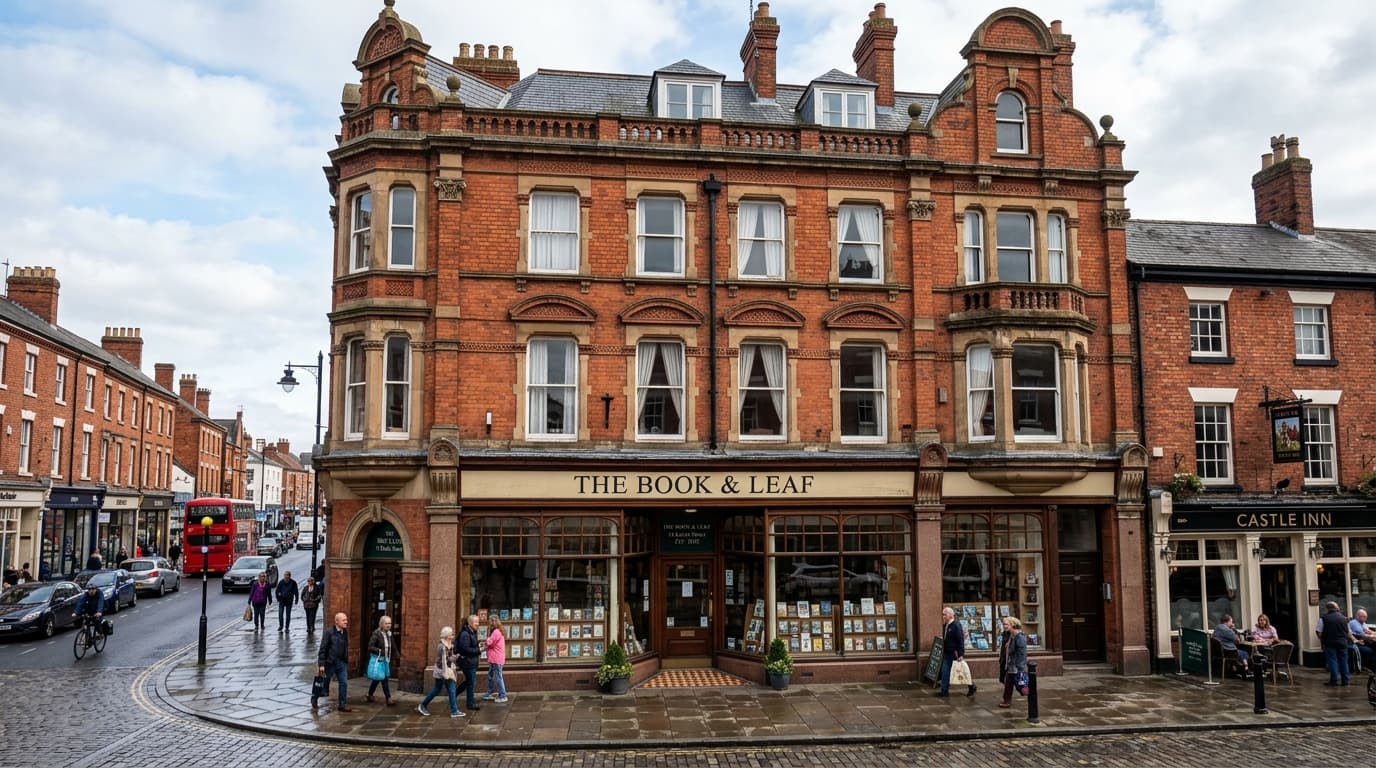
Year 1: The Foundation Purchase
In Year 1, a three-member SSAS with £280,000 in assets purchases a small industrial unit for £240,000. The trustees contribute £120,000 in equity (50% LTV) and take a £120,000 SSAS mortgage at 6.5% interest-only.
The unit is let immediately to the sponsoring employer on a 10-year connected party lease at the independently assessed market rent of £18,000 per year. After mortgage interest of £7,800, the scheme receives net property income of £10,200 per year.
The employer also makes annual contributions of £30,000 to the scheme (combined across three members). Total annual inflow to scheme: £40,200.
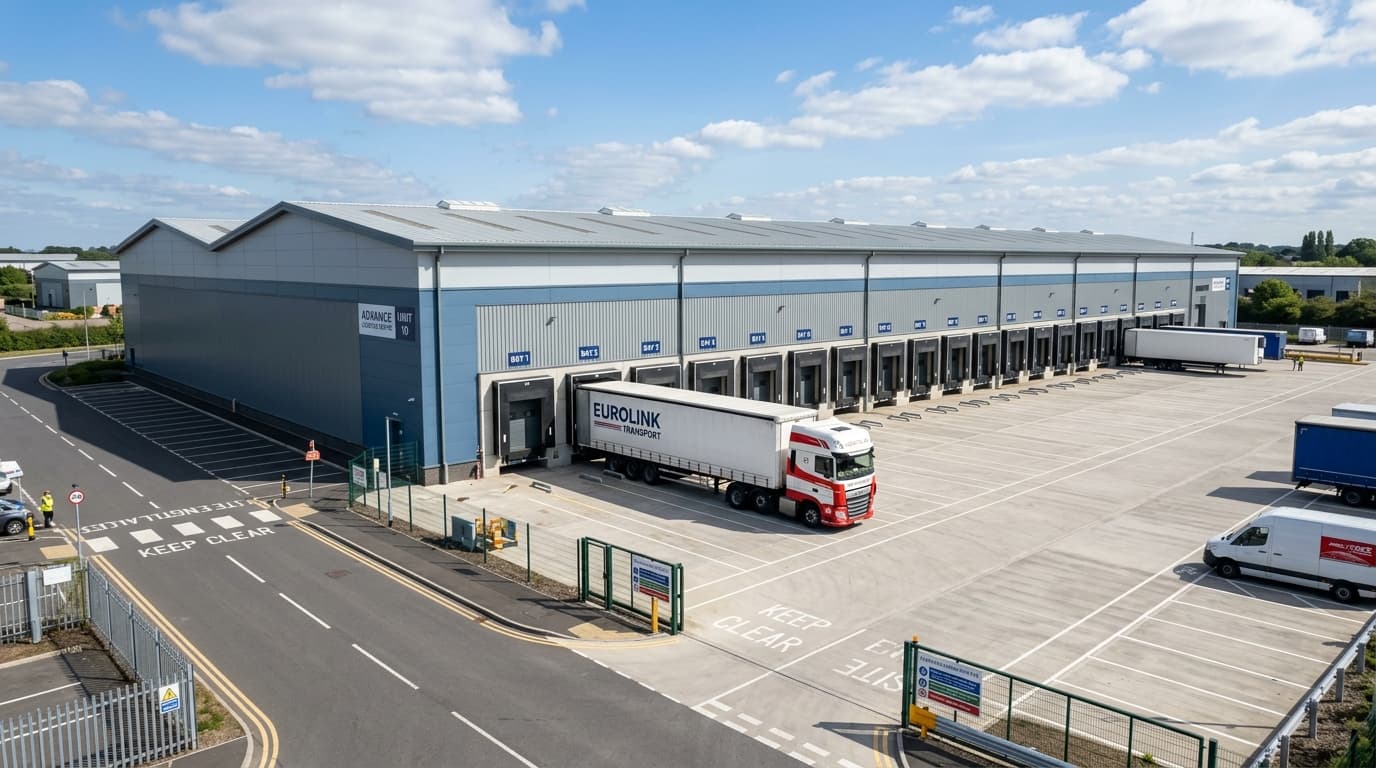
Years 2-4: Consolidation and Growth
During years two to four, the scheme continues accumulating assets:
- Property values in the industrial estate rise 12% — the unit is now worth approximately £268,800
- Employer contributions continue at £30,000 per year
- Net rental income continues at £10,200 per year
- The scheme's liquid assets (cash and listed investments) grow from £160,000 to approximately £250,000
By the end of Year 4, the scheme holds:
- Industrial unit (now worth £268,800, with £120,000 mortgage)
- Liquid assets: £250,000
- Net asset value: approximately £398,800
"The consolidation phase is often overlooked, but it is where the foundation for future acquisitions is built. Consistent contributions and the patient reinvestment of rental income creates the equity base that makes the second property purchase possible." — Matt Lenzie
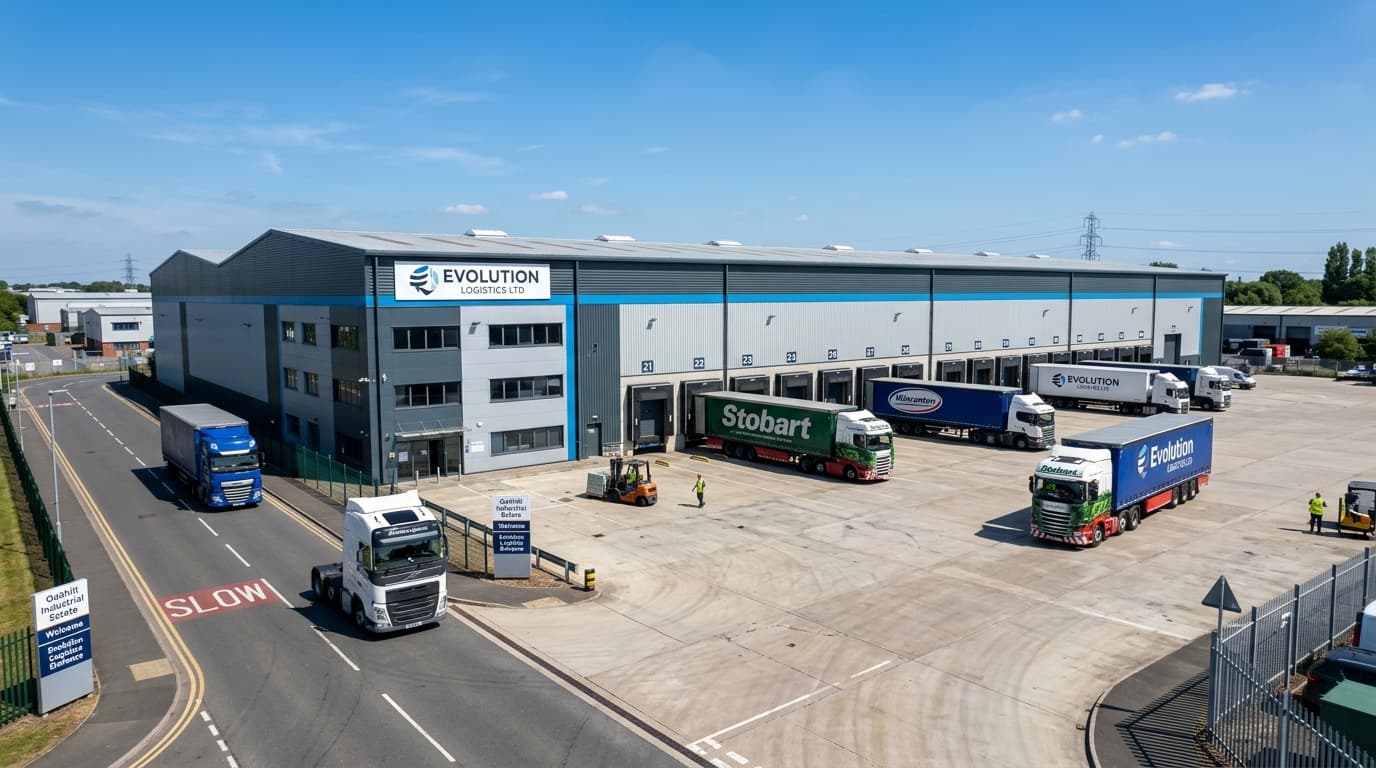
Year 5: Refinancing and Second Acquisition
In Year 5, the trustees revisit the industrial unit. A new RICS valuation puts it at £285,000. The scheme has paid no capital on the mortgage (interest-only), so the outstanding balance is still £120,000. At 50% LTV on £285,000, the scheme could borrow up to £142,500 — freeing up an additional £22,500 in borrowing headroom.
Simultaneously, the trustees identify a small office suite for sale at £320,000. They structure the acquisition as follows:
- Refinance the industrial unit to £142,500 (releasing £22,500 additional proceeds)
- Use £160,000 of the scheme's liquid assets as equity on the new office
- Take a new £160,000 SSAS mortgage on the office at 6.75%
The office is let to a third-party tenant (not connected to the scheme members) on a 10-year lease at £22,000 per year.
Post-acquisition, the scheme's income position is:
- Industrial unit rent: £18,000
- Industrial unit mortgage interest: £9,263
- Office rent: £22,000
- Office mortgage interest: £10,800
- Net property income: £19,937
- Employer contributions: £30,000
- Total annual inflow: £49,937
Years 6-7: Portfolio Maturity
With two income-producing properties and continued employer contributions, the scheme's liquid asset base rebuilds steadily. By the end of Year 7:
- Industrial unit value: £310,000 (further capital growth)
- Office value: £355,000 (revalued upward by new RICS assessment)
- Liquid assets: approximately £195,000
- Total mortgage debt: £302,500
- Net asset value: approximately £557,500
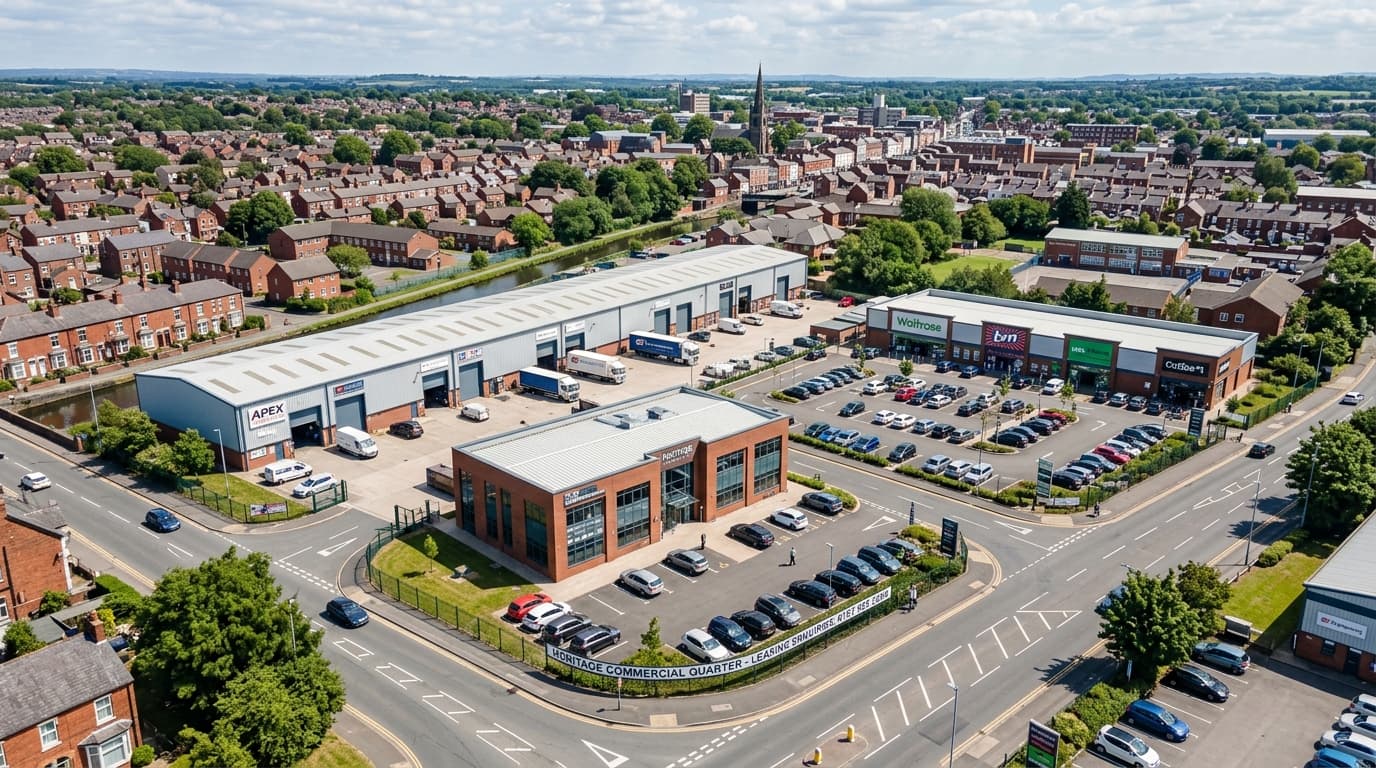
Year 8: Third Acquisition — Completing the Portfolio
In Year 8, the trustees make their boldest move. A retail unit with residential flat above — a mixed-use property — comes to market at £420,000. The commercial element is valued at £300,000 and the residential flat at £120,000.
Important note: the residential element must be carefully structured. SSAS schemes cannot directly hold residential property (it is a taxable property under HMRC rules). The purchase is structured so that the SSAS acquires only the commercial ground floor and the long leasehold of the retail unit, while the residential flat is purchased separately by one of the members personally outside the pension scheme.
The SSAS contributes £150,000 of equity and borrows £150,000 at 6.5% on the commercial element. The retail unit is let at £24,000 per year to an independent retailer.
The Portfolio at Year 8: Final Position
- Industrial unit: Value £310,000, mortgage £142,500, net equity £167,500
- Office suite: Value £355,000, mortgage £160,000, net equity £195,000
- Retail unit (commercial only): Value £300,000, mortgage £150,000, net equity £150,000
- Liquid assets: £145,000
- Total property value: £965,000
- Total mortgage debt: £452,500
- Net asset value (including liquid assets): approximately £657,500
Total rental income: £64,000 per year. Total mortgage interest: approximately £29,500 per year. Net property income: £34,500 per year — all sheltered from income tax within the scheme.
The Tax-Free Growth Story
Over eight years, the scheme has grown from £280,000 in assets to approximately £657,500 in net assets — a 135% increase. During that period, the scheme paid no income tax on rental income, no capital gains tax on property appreciation, and no corporation tax. The employer's contributions were tax-deductible each year, reducing the company's corporation tax bill by approximately £7,500 per year.
For a full comparison of SSAS property versus other investment strategies, read our article on SSAS property versus equities. For the strategic framework behind portfolio building, see our guide on SSAS property portfolio building.
Key Takeaways
- SSAS portfolio building is a long-term strategy — the compounding effect becomes powerful over 5-10 years
- Refinancing existing properties can fund new acquisitions without additional employer contributions
- Diversifying across property types and tenant covenants reduces concentration risk
- SSAS schemes cannot hold residential property directly — mixed-use deals require careful structuring
- All rental income and capital growth within the scheme is sheltered from tax
Start Building Your Portfolio
Whether you are making your first SSAS property purchase or looking to expand an existing scheme's holdings, our team can help you structure a coherent long-term strategy. Speak to us or explore our lender panel to understand what is available in the market today.
About the Author
Matt Lenzie
Former Banker & Corporate Finance Partner
Matt Lenzie is a former banker and corporate finance partner with extensive experience in pension-backed property transactions. He founded SSAS Property Finance to help company directors and trustees navigate the complexities of commercial property acquisition through Small Self-Administered Schemes.