Pooling Resources Across Multiple SSAS Members
Written by Matt Lenzie
Former Banker & Corporate Finance Partner

The Power of Pooling in an SSAS
A Small Self-Administered Scheme is unique among pension vehicles in that it can have multiple members — typically directors and senior employees of a single sponsoring employer — all within the same pension trust. This creates something powerful: the ability to pool pension assets to access property deals that no single member could fund alone.
In our experience, multi-member pooling is one of the most underappreciated aspects of SSAS property finance. Business partners who might individually have £150,000-£200,000 in their separate SIPPs can combine these into a single SSAS with £600,000+ in assets — immediately opening up entirely different property investment possibilities.
How Member Pooling Works
Within an SSAS, all assets are held in the trust collectively. Unlike SIPPs, where each member has a discrete "pot", SSAS members share ownership of the scheme's assets in proportion to their respective pension fund values.
When the SSAS buys a property, it's the trust — not individual members — that owns it. All members have a proportionate beneficial interest. This means:
- The deposit can be funded from the combined cash of all members' shares
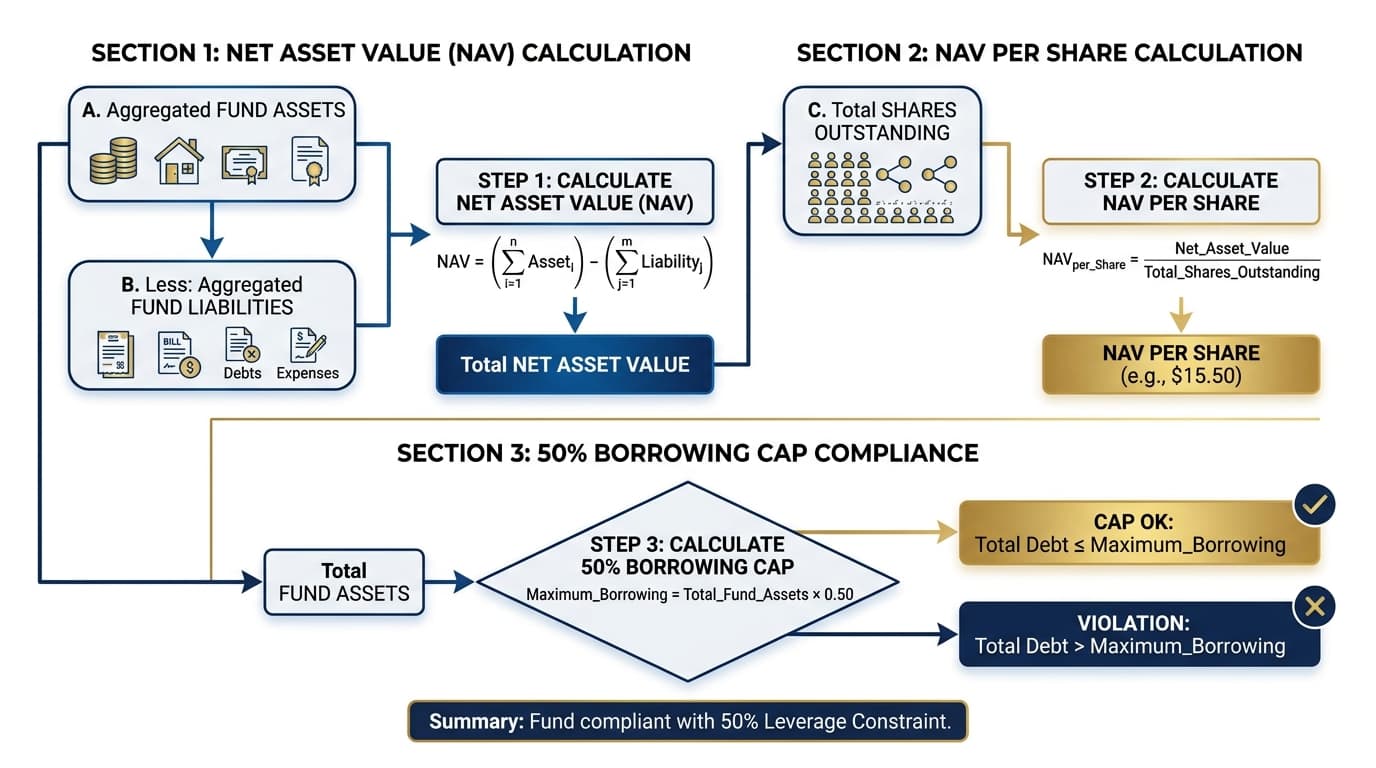
- The HMRC 50% borrowing cap is calculated on the total scheme assets (all members combined)
- Rental income and capital gains accrue to the trust for the benefit of all members
- At retirement, members draw benefits from their proportionate share of the total trust fund
The Governance Framework for Multi-Member Decisions
Because all members share the SSAS assets, major decisions — including property purchases and borrowing — must typically be made by all trustees acting unanimously. The trust deed governs the exact voting requirements.
Matt Lenzie notes: "The governance requirement for trustee unanimity is both the strength and the challenge of multi-member SSAS. It prevents any one member from making unilateral decisions with shared pension assets, but it also means that disagreements between business partners can stall legitimate investment decisions."
Before pooling pension assets with business partners, we strongly recommend:
- A written co-trustee agreement setting out investment policy, decision-making processes, and dispute resolution
- Clarity on what happens to the SSAS if one member leaves the business or relationship breaks down
- Legal advice on the trust deed to ensure adequate governance provisions are in place
The Mathematics of Pooling: A Worked Example
Consider four founding directors of a manufacturing company. They each have existing SIPP funds that they transfer into a new SSAS:
- Director A: £180,000
- Director B: £220,000
- Director C: £150,000
- Director D: £130,000
Combined SSAS assets at inception: £680,000
HMRC maximum borrowing (50% cap): £340,000
If the company's trading premises are worth £600,000, the SSAS could potentially buy them with:
- Deposit from scheme cash: £270,000 (plus some costs from remaining cash)
- Mortgage from specialist lender (70% LTV = £420,000, but HMRC limits additional borrowing to £340,000): £340,000
In this case the HMRC cap is the constraint — the scheme can borrow £340,000 but the LTV-based maximum would be higher. The scheme needs £260,000 from its own resources (£600,000 − £340,000) plus costs. With £680,000 in assets, this is feasible with careful management of scheme liquidity.
Proportionate Interests and Record-Keeping
Even though assets are pooled, each member's proportionate interest must be tracked. The SSAS administrator maintains a "unit account" or similar record showing each member's share of the fund, which changes over time as:
- New contributions are made by individual members (increasing their share)
- Benefits are taken by individual members (reducing their share)
- Investment returns are allocated proportionately
This tracking is essential for calculating each member's death benefits and pension entitlements at retirement.
Contributing Different Amounts Going Forward
One of the great flexibilities of multi-member SSAS is that members can contribute at different rates going forward — reflecting different salary levels, tax positions, or individual financial planning needs. A younger member with more earnings might contribute significantly more than an older member approaching retirement.
These differential contributions shift the members' proportionate interests in the fund over time. The key HMRC rules to observe are:
- Annual allowance: Each member can contribute up to £60,000 per year (2025/26)
- Carry-forward: Unused allowance from the previous three tax years can be carried forward
- Money purchase annual allowance: Members who have taken flexible income from any pension are subject to a reduced £10,000 annual allowance for defined contribution inputs
Pooling and the Loanback
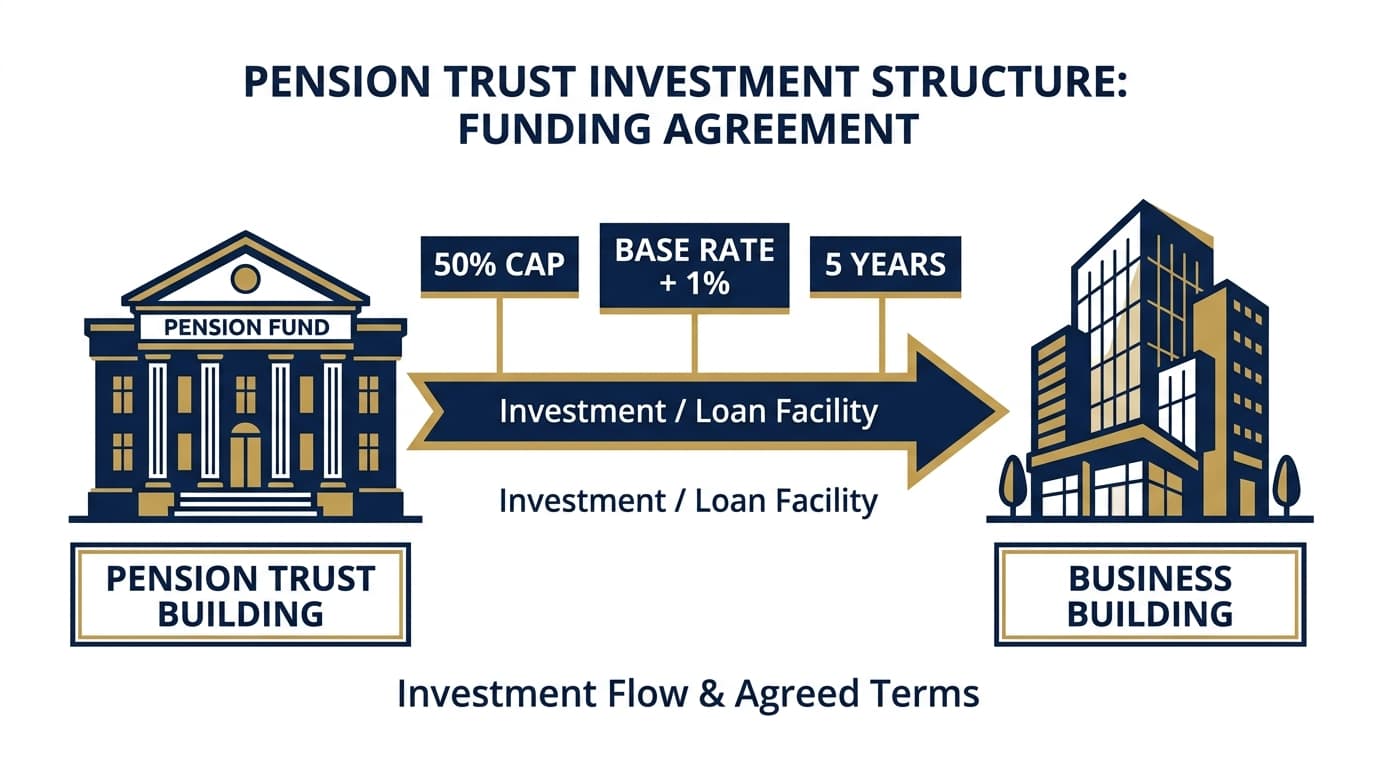
Multi-member SSAS schemes can also make loanbacks to the sponsoring employer, using the pooled assets as the basis for the loan. The 50% loanback cap applies to total scheme assets — so larger pooled schemes can make larger loanbacks. This is one reason why business owners sometimes consolidate colleagues' pensions into a single SSAS before making a significant loanback.
For more on the loanback rules, see our guide to SSAS loanback rules.
What Happens If a Member Leaves or Dies
Multi-member governance must plan for what happens when a member:
- Retires and starts drawing benefits (their proportionate share is used to fund their income, potentially requiring the sale of some assets)
- Leaves the business (they typically cannot be removed from the SSAS immediately — this requires careful planning)
- Dies (death benefits are payable from their proportionate share — again potentially requiring asset sales)
A liquidity reserve — typically cash equal to the benefits that might need to be paid in the short term — is an important component of multi-member SSAS planning.
Key Takeaways
- Pooling SSAS assets across multiple members multiplies purchasing power and HMRC borrowing headroom
- All major decisions require trustee consensus — governance agreements are essential
- Proportionate interests must be carefully tracked by the SSAS administrator
- Members can contribute at different rates, shifting proportionate interests over time
- Plan for member exit, retirement, and death with a liquidity reserve and clear trust deed provisions
Explore Multi-Member SSAS Property Finance
Whether you're setting up a new multi-member SSAS or looking to pool existing pensions, our team can help you structure the arrangement and access appropriate property finance.
Contact us today to discuss how multi-member pooling could work for your business partnership, or explore our SSAS property finance options.
About the Author
Matt Lenzie
Former Banker & Corporate Finance Partner
Matt Lenzie is a former banker and corporate finance partner with extensive experience in pension-backed property transactions. He founded SSAS Property Finance to help company directors and trustees navigate the complexities of commercial property acquisition through Small Self-Administered Schemes.