Permitted Uses of SSAS Loanback Funds
Written by Matt Lenzie
Former Banker & Corporate Finance Partner
Does HMRC Restrict How Loanback Funds Are Used?
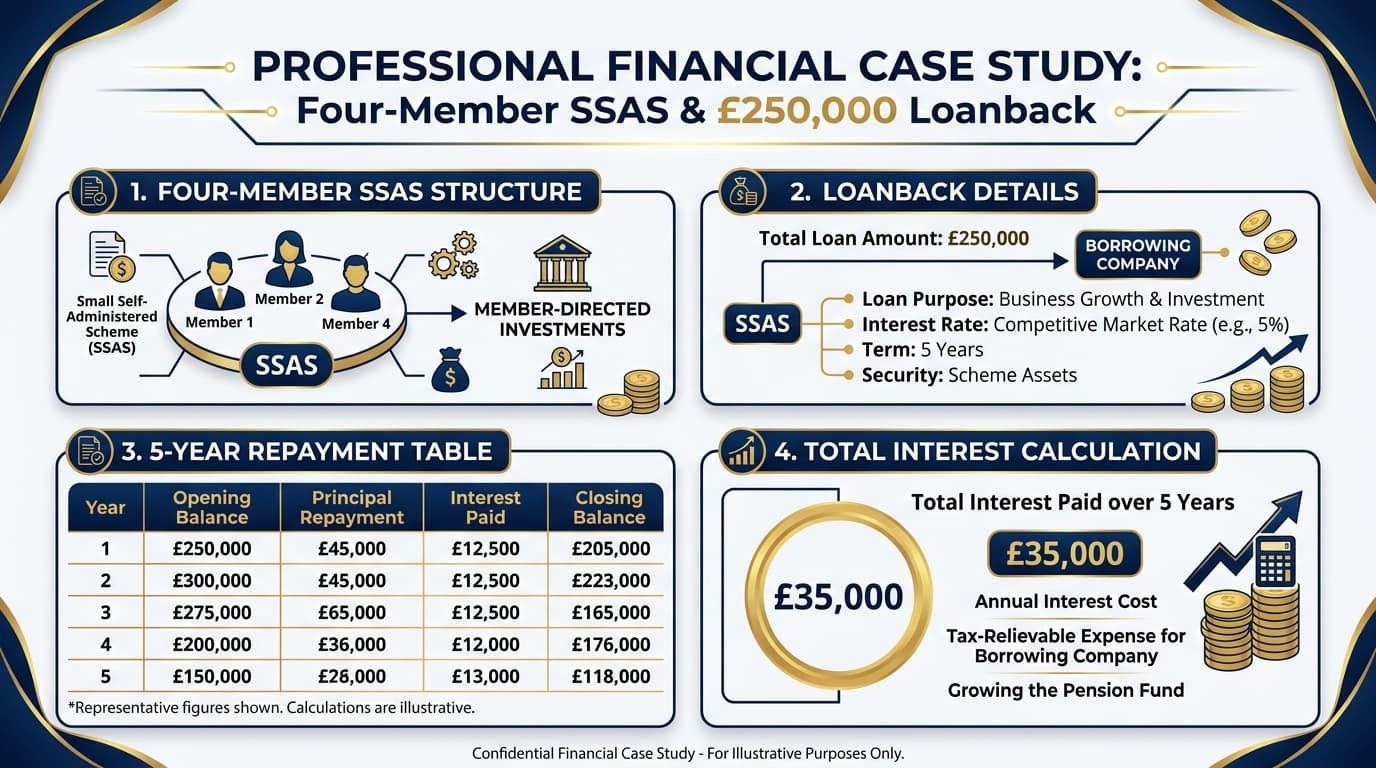
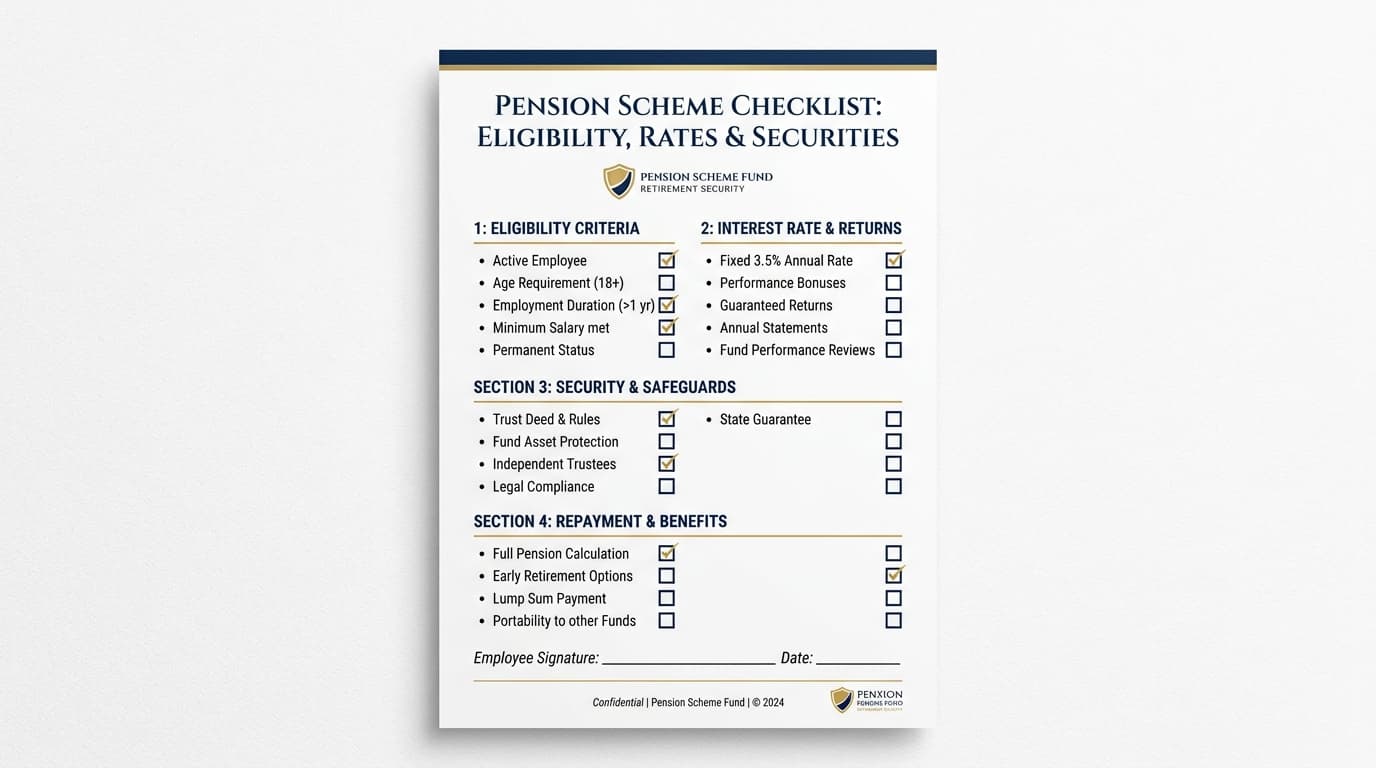
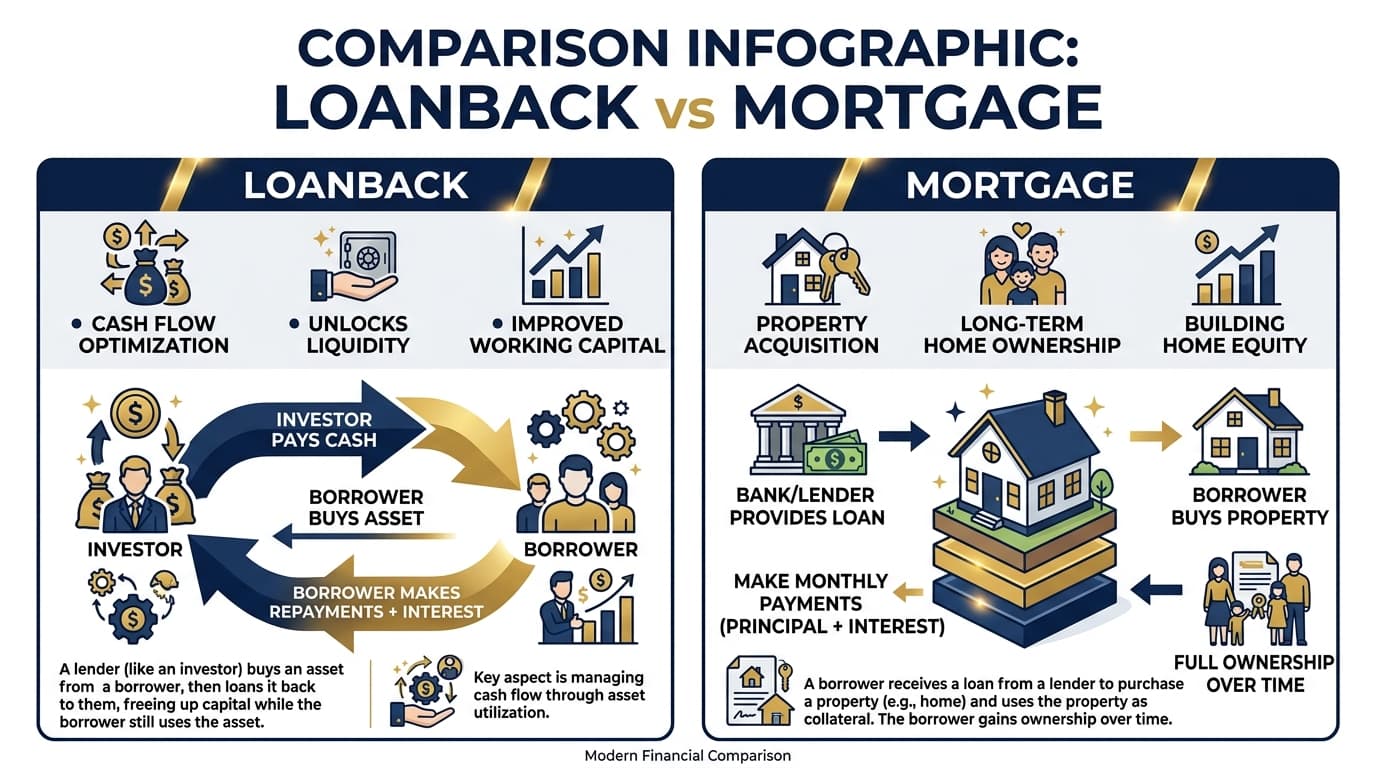
HMRC's loanback rules focus primarily on the structural conditions of the loan (the 50% cap, the interest rate, the five-year term, the security, and the equal instalments) rather than specifically prescribing or prohibiting particular uses of the funds. However, the "permitted loanback" rules must be read alongside the broader principle that the transaction must be genuinely commercial and that the borrower must be the sponsoring employer acting in its business capacity.
In practice, this means the funds must be used for legitimate business purposes. Using loanback funds for purposes that benefit scheme members personally, or that represent a disguised benefit from the pension scheme, can undermine the compliance of the whole arrangement.
For the full framework of loanback rules, see our guide to SSAS loanback rules.
Clearly Permitted Uses
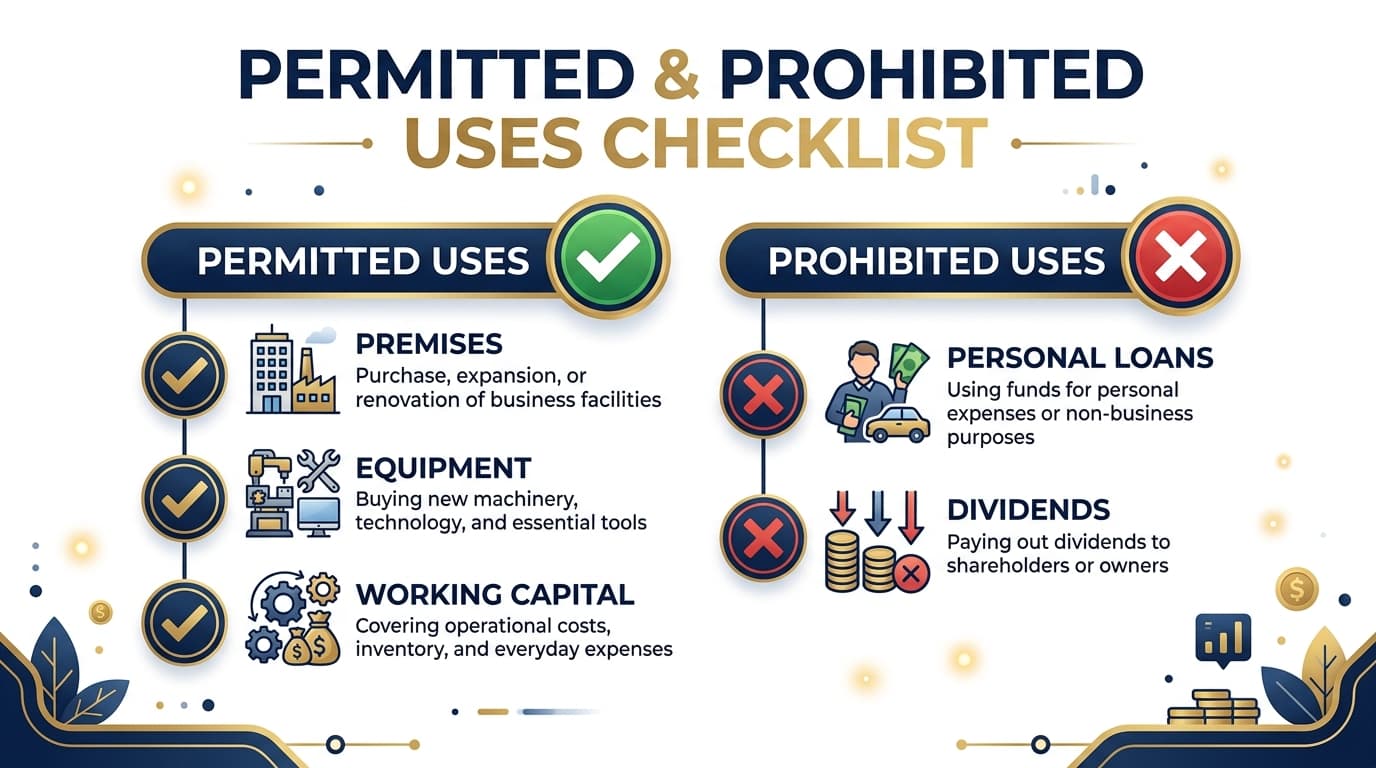
The following uses of SSAS loanback funds are well-established as permitted business purposes:
Business Premises Purchase or Improvement
One of the most common uses. The employer uses the loanback to purchase, extend, or refurbish its commercial premises. Note that if the employer already leases its premises from the SSAS, improving those premises with loanback funds creates a complex interplay between the loanback and the property arrangement. Legal advice is strongly recommended.
Business Equipment and Plant
Purchasing machinery, vehicles, technology, or other capital equipment for the business. This is a clean business use that is straightforward for HMRC to characterise as commercial.
Working Capital
Funding day-to-day business operations — covering payroll, stock purchases, trade creditors, or short-term cash flow needs. Working capital loanbacks are common where a business faces a temporary liquidity squeeze but doesn't want to draw on expensive bank overdraft facilities.
Business Acquisition or Investment
Using loanback funds to acquire another business, purchase a shareholding, or fund a growth investment. The key requirement is that the investment is a genuine business transaction with commercial rationale, not a personal investment by the business owner disguised as a business transaction.
Debt Refinancing
Using a loanback to repay more expensive commercial debt — replacing bank loans or overdrafts with a loanback at a lower rate. This is legitimate provided the loanback rate meets the minimum HMRC requirement and the underlying debt was a genuine business liability.
Development Finance
Where the employer is a property developer, loanback funds can be used to finance development projects. The scheme must have clear first charge security over the development site or other assets, and the LTV and 50% cap must be observed.
Grey Areas and Caution Required
Intercompany Loans
If the sponsoring employer uses loanback funds to make loans to associated companies, HMRC may scrutinise whether the original business purpose is genuinely being served. On-lending to connected parties at sub-commercial rates, or without proper documentation, is a risk area.
Investments in Connected Parties
If the employer uses loanback funds to acquire assets from, or invest in entities connected to, scheme members, HMRC may question whether the transaction represents a disguised benefit to those members.
Mixed Business and Personal Assets
Using loanback funds to purchase assets that have both business and personal use (e.g., a vehicle used primarily by a director personally) can cause problems — both for loanback compliance and for the employer's corporation tax deduction of the interest.
Clearly Prohibited Uses
The following uses would undermine the commercial basis of the loanback and risk it being treated as an unauthorised payment:
- Personal loans to members or directors: A loanback is to the employer as a business entity, not to individuals
- Distributions or dividends: Using loanback funds to pay dividends to shareholders (even if those shareholders are also pension members) is not a commercial business use
- Purchase of residential property for personal use: Even if structured as a business transaction, using loanback funds for the purchase of a home used primarily by a member would likely be challenged by HMRC
- Repaying shareholder loans without business justification: If the "shareholder loans" being repaid were themselves non-commercial arrangements, using loanback funds to repay them may attract HMRC scrutiny
Matt Lenzie notes: "The test is always: would an independent commercial lender, looking at the purpose of this loan and the security offered, consider this a legitimate business transaction? If the honest answer is 'no', the loanback is on shaky ground."
Documentation of Use
Even where the use is clearly permitted, it's important to document the intended use in the loan agreement and to keep evidence of how the funds were actually deployed. If HMRC ever investigates the loanback, being able to demonstrate both the intended and actual business use is important.
Recommended documentation:
- Loan agreement specifying the purpose for which funds are being advanced
- Board minutes of the sponsoring employer authorising the borrowing and recording its purpose
- Evidence of how the funds were used (invoices, contracts, bank statements)
- Trustee meeting minutes confirming the trustees' consideration of the business purpose
The Trustees' Perspective
SSAS trustees have a fiduciary duty to scheme members. Before approving a loanback, they should satisfy themselves that:
- The purpose is a legitimate business use
- The security is adequate
- The business has the capacity to repay within the five-year term
- The loanback is in the interests of all scheme members (not just those who own or run the borrowing business)
This is particularly important in multi-member SSAS schemes where some members may not be connected to the borrowing employer.
Key Takeaways
- HMRC doesn't publish an exhaustive list of permitted loanback uses, but funds must be deployed for genuine business purposes by the sponsoring employer
- Common permitted uses include premises purchase, equipment, working capital, and debt refinancing
- Personal benefits to members, disguised distributions, and non-commercial transactions are prohibited
- Document the purpose clearly in the loan agreement and with supporting evidence
- Trustees must satisfy themselves independently that the purpose is legitimate and commercial
Structure a Compliant SSAS Loanback
Uncertain whether your planned use of loanback funds will satisfy HMRC's requirements? Our team can advise on structuring the arrangement to ensure full compliance.
Contact us today for a confidential discussion. You can also review our complete SSAS loanback compliance checklist to assess your readiness.
About the Author
Matt Lenzie
Former Banker & Corporate Finance Partner
Matt Lenzie is a former banker and corporate finance partner with extensive experience in pension-backed property transactions. He founded SSAS Property Finance to help company directors and trustees navigate the complexities of commercial property acquisition through Small Self-Administered Schemes.