SSAS Loanback vs Mortgage: Which Is Right for Your Business?
Written by Matt Lenzie
Former Banker & Corporate Finance Partner
Two Ways Your SSAS Can Fund Your Business
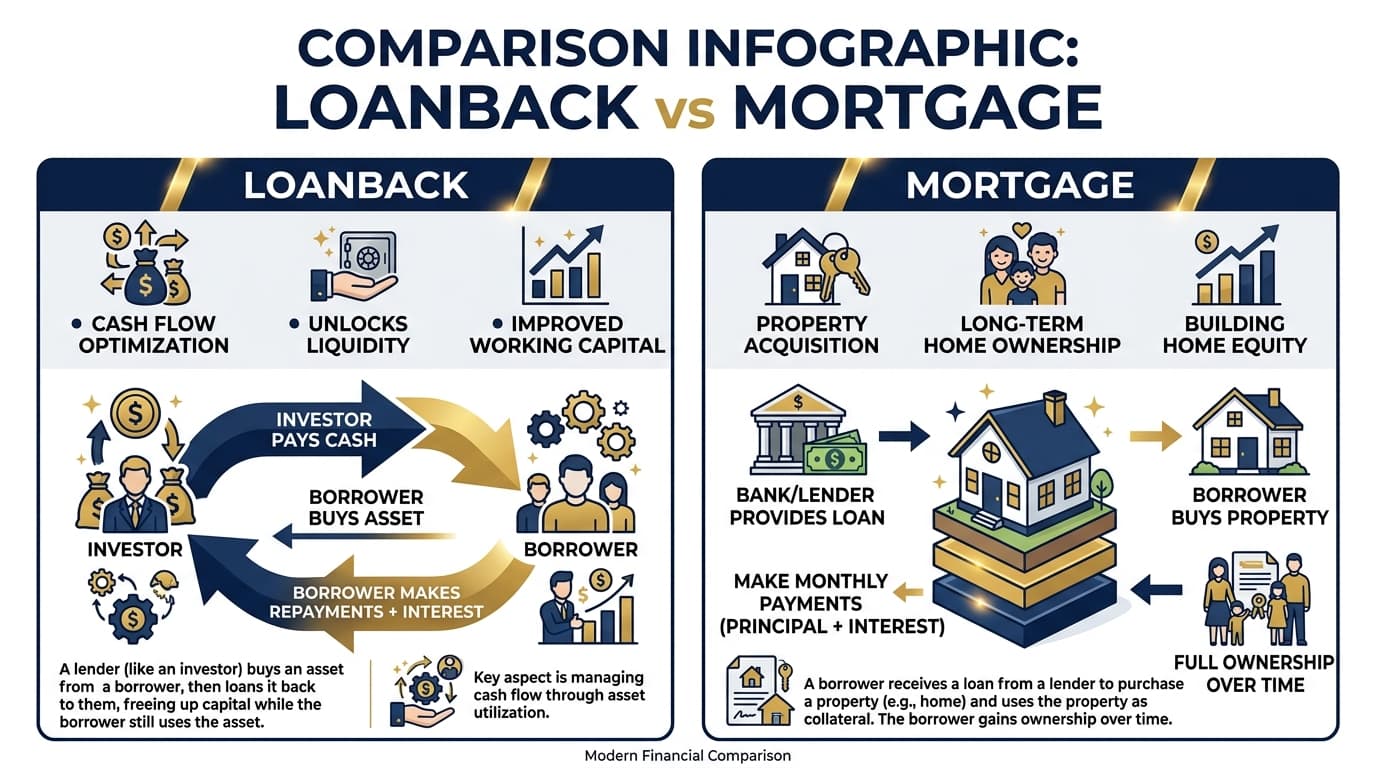
Owners of SSAS pension schemes often realise that their scheme can support their business in two distinct ways: through a loanback (a direct loan from the scheme to the sponsoring employer) or through an SSAS mortgage (the scheme borrows externally to purchase property, which it then leases to the employer).
Both mechanisms recycle capital through the pension scheme, but they work very differently in terms of structure, HMRC compliance requirements, and commercial impact. Understanding the distinction is essential for making the right choice for your business and pension scheme.
The SSAS Loanback: How It Works
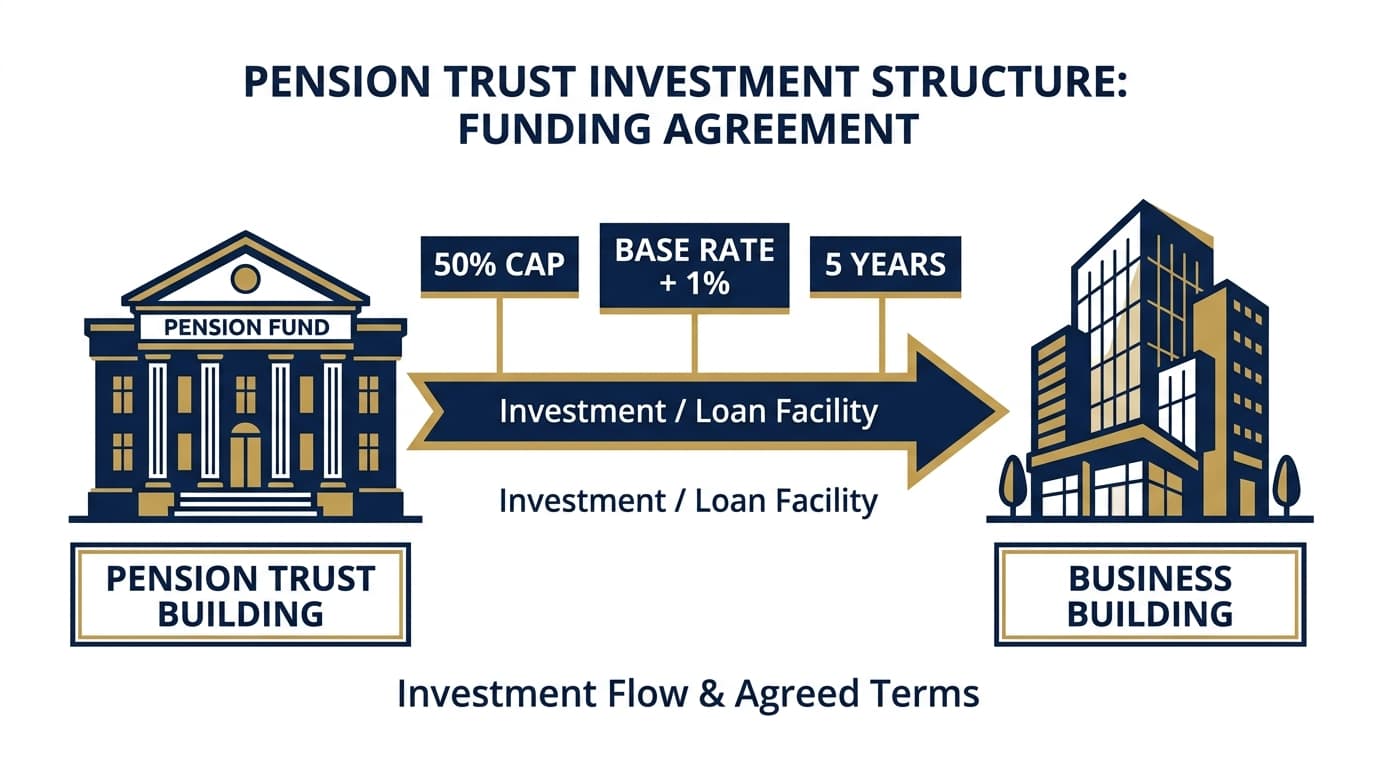
In a loanback, the SSAS pension trust lends money directly to the sponsoring employer. The employer borrows from its own pension scheme and must repay the loan — with interest — within five years in equal instalments.
Key characteristics:
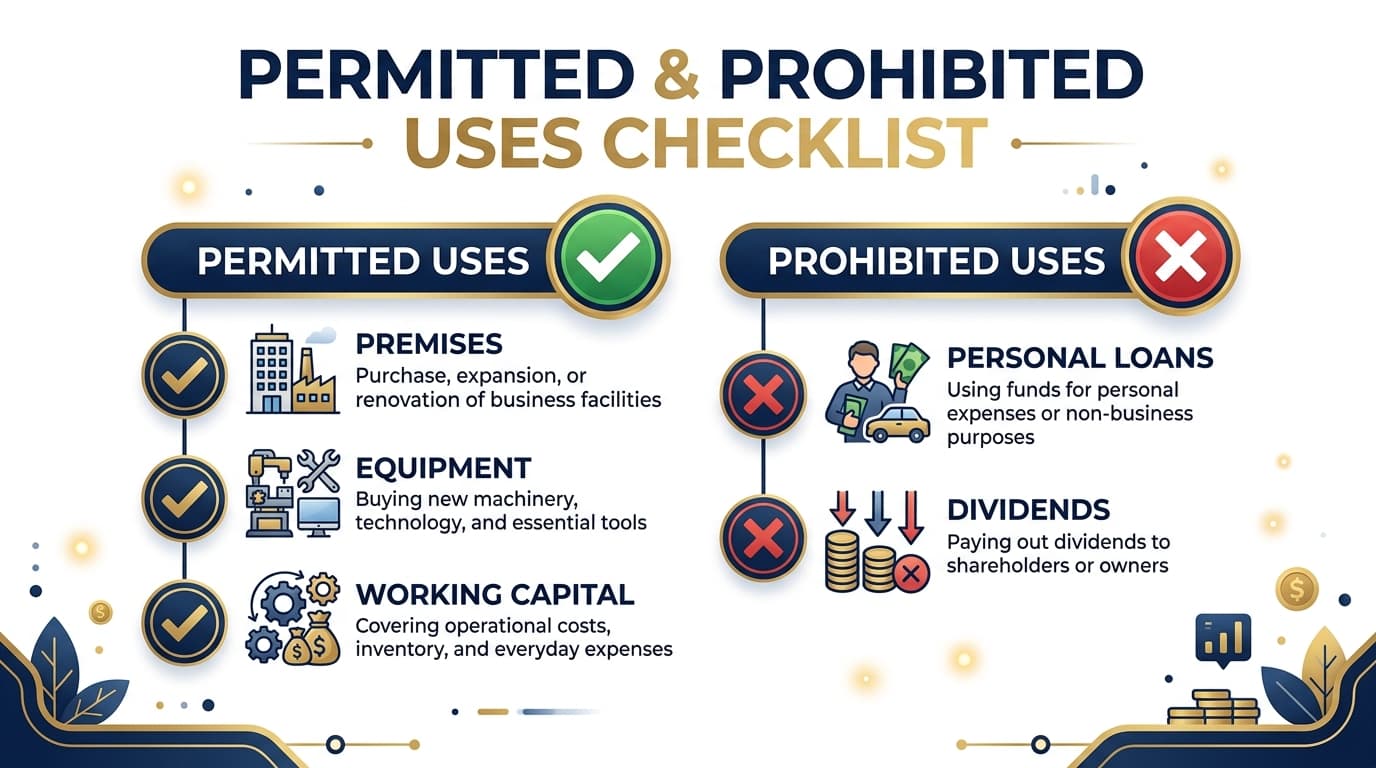
- The employer receives cash, which it can use for any permitted business purpose
- The scheme has a loan receivable (an asset) on its books
- Interest flows from employer to scheme — effectively recycling business profits into the pension tax-free
- The HMRC cap limits the loanback to 50% of net scheme assets
- Maximum term: 5 years
For full details, see our comprehensive guide to SSAS loanback rules.
The SSAS Mortgage: How It Works
In an SSAS mortgage, the scheme borrows externally from a specialist lender to purchase commercial property, which it then leases to the sponsoring employer (or a third-party tenant). The employer pays rent to the scheme; the scheme uses the rent to service the mortgage.
Key characteristics:
- The scheme acquires a property asset
- The employer leases its premises from the scheme, paying commercial rent
- Rent flows from employer to scheme — also recycling business costs into the pension tax-free
- The HMRC cap limits total scheme borrowing (including the mortgage) to 50% of net scheme assets
- Terms typically 5-25 years
For more detail, see our guide to SSAS property mortgage options.
Key Differences: A Side-by-Side Comparison
Purpose
- Loanback: General business finance — cash for any permitted business purpose
- Mortgage: Specifically for property acquisition
What the Business Gets
- Loanback: Cash
- Mortgage: The right to occupy premises it no longer owns (having sold or never purchased them)
What Flows to the Pension Scheme
- Loanback: Interest payments (currently minimum 3.25%) plus capital repayments
- Mortgage: Rental income (at commercial market rates)
Ongoing Obligation
- Loanback: Must be fully repaid within 5 years
- Mortgage: Ongoing rent payments for the lease term (typically 10-25 years)
Asset Ownership
- Loanback: No change in asset ownership
- Mortgage: Pension scheme owns the property
Tax on Business Cash Flows
- Loanback interest: Potentially deductible for the employer (reduces corporation tax)
- Rent: Deductible for the employer as a business expense
When Loanback Makes More Sense
Choose a loanback when:
- The business needs cash for non-property purposes (working capital, equipment, acquisitions)
- Speed is a priority — a loanback can be arranged faster than a mortgage
- The scheme has the liquid assets to lend without requiring external borrowing
- A five-year repayment horizon is feasible for the business
- The business doesn't want to permanently transfer its property to the pension scheme
When a Mortgage Makes More Sense
Choose an SSAS mortgage (with property leaseback) when:
- The business wants to free up capital currently tied up in property it owns
- The business wants to acquire new premises through the pension scheme
- Long-term tax-free growth of property within the pension is a priority
- The amount needed exceeds what can be funded from scheme assets alone (the mortgage amplifies the scheme's purchasing power through external borrowing)
- The business can sustain long-term commercial rent payments to the scheme
Matt Lenzie notes: "The most powerful strategies often combine both tools. An established business might use a mortgage to buy its premises through the scheme and simultaneously use a loanback to fund a capital investment. The key is ensuring both transactions together don't breach the HMRC 50% borrowing cap."
The HMRC Cap: A Critical Interaction
Both loanbacks and mortgages count towards the SSAS's total borrowing or total scheme investment in connected parties. Specifically:
- Loanbacks are subject to a separate 50% cap (total loanbacks must not exceed 50% of net scheme assets)
- SSAS mortgages are also subject to a 50% cap (total borrowing by the scheme must not exceed 50% of net scheme assets)
If both a loanback and a mortgage are in place, both caps apply independently — but the assets used in one calculation may affect the other. Understanding the interaction requires careful modelling.
For a detailed explanation of the borrowing cap, see our guide to the SSAS 50% LTV cap.
Combined Strategy Example
A manufacturing business with a four-member SSAS has:
- Net scheme assets: £900,000
- SSAS buys factory via mortgage: Property value £600,000, mortgage £420,000 (70% LTV)
- Remaining scheme net assets after property purchase: approximately £480,000 (scheme assets of £900,000 + new property £600,000 − mortgage £420,000)
- HMRC maximum total borrowing: 50% × £480,000 = £240,000... but the mortgage already exceeds this
In this scenario, adding a loanback on top of the mortgage would breach the borrowing cap. The business would need to either grow scheme assets (through contributions) before accessing a loanback, or choose one financing tool at a time.
Key Takeaways
- Loanbacks and mortgages both recycle business cash flows into the pension scheme tax-efficiently — but through different mechanisms
- Loanbacks provide cash for any business purpose over a 5-year maximum term
- Mortgages enable property acquisition and long-term asset holding within the pension
- Both count towards the HMRC 50% cap — the interaction must be carefully modelled
- The two tools can be combined, but only where the cap permits both simultaneously
Choose the Right Financing Strategy for Your SSAS
Our team can model both scenarios for your specific scheme and business circumstances and help you choose the most effective approach.
Contact us today for a confidential consultation, or explore our SSAS property finance page for a full overview.
About the Author
Matt Lenzie
Former Banker & Corporate Finance Partner
Matt Lenzie is a former banker and corporate finance partner with extensive experience in pension-backed property transactions. He founded SSAS Property Finance to help company directors and trustees navigate the complexities of commercial property acquisition through Small Self-Administered Schemes.