SSAS Industrial Unit Refinance: A Step-by-Step Example
Written by Matt Lenzie
Former Banker & Corporate Finance Partner
SSAS Industrial Unit Refinance: Releasing Equity from an Existing Property
Not every SSAS property transaction starts with a purchase. Many schemes already own commercial property outright — often acquired years ago when pension-led funding was less well understood — and are sitting on significant unrealised equity. Refinancing an existing SSAS-owned property can be a powerful way to release capital for further investment, increase member contributions, or diversify the scheme's assets.
This article walks through a realistic refinance scenario involving an SSAS-owned industrial unit, showing how the process works and what the financial outcomes look like.
Background: The Scheme and the Property
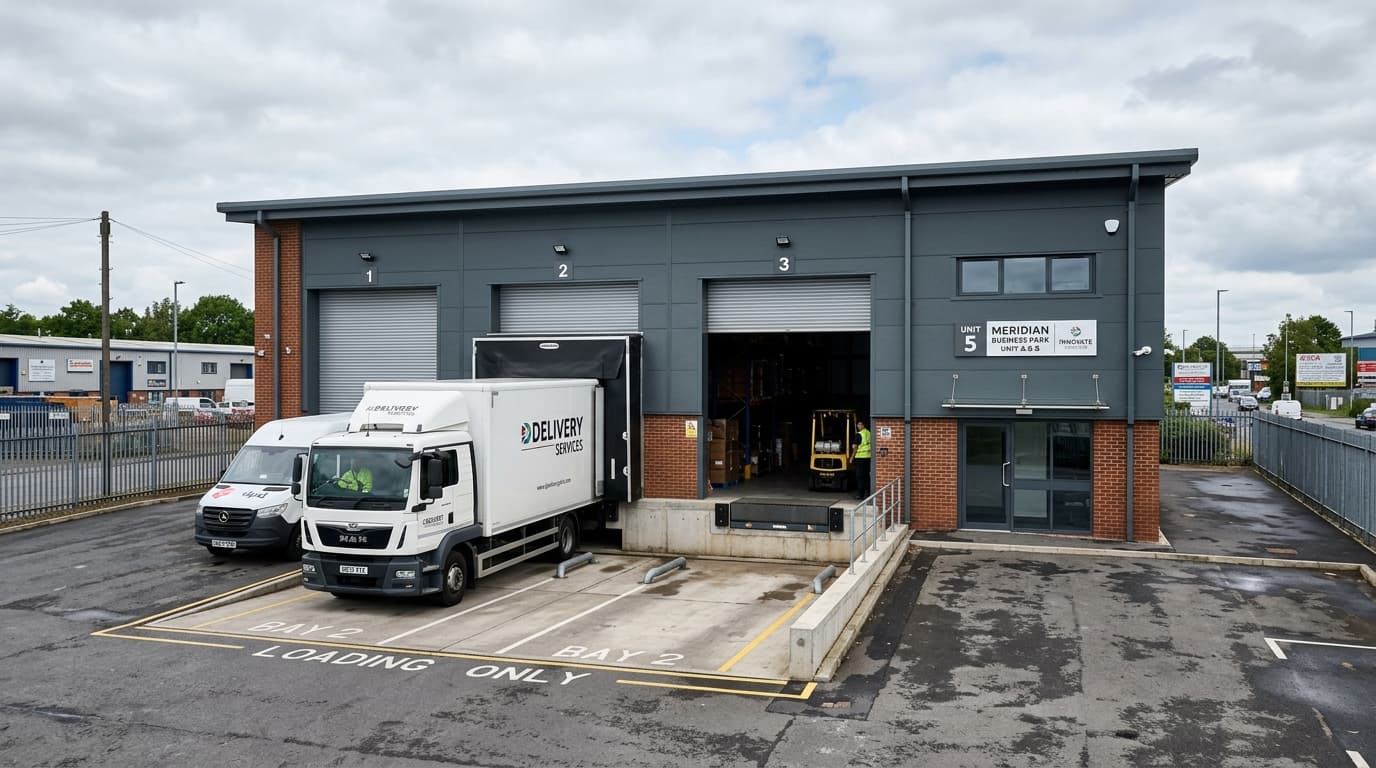
Our example involves a two-member SSAS established by a husband and wife who run a manufacturing business. Twelve years ago, when the business was growing rapidly, they used the SSAS to purchase a 4,000 sq ft industrial unit for £220,000 — paying cash, with no mortgage. The unit has been occupied by their business ever since under a connected party lease at a market rent of £28,000 per year.
A recent RICS valuation puts the current market value of the industrial unit at £380,000. The scheme holds no mortgage on the property. The trustees want to extract some of this equity to:
- Fund additional employer contributions to the scheme
- Invest in a diversified portfolio of listed assets within the SSAS
- Retain flexibility for future property acquisitions
A refinance is the logical solution. By mortgaging the industrial unit up to 50% LTV, the scheme can release up to £190,000 (50% of £380,000) in cash — while continuing to own the asset and collect rent.
Step 1: Establishing the Refinance Criteria
Before approaching lenders, the trustees need to confirm that the refinance stacks up financially. The key test: can the rental income service the new mortgage?
- Current open market rent (confirmed by surveyor): £28,000 per year
- Maximum loan at 50% LTV: £190,000
- Annual interest at 6.75%: £12,825
- Interest coverage ratio: 2.18x
Most SSAS lenders require interest coverage of at least 125%, and many prefer 150%. At 2.18x, this refinance is well within standard criteria. Use our SSAS mortgage calculator to run the numbers for your own property before starting the process.
"Refinancing an SSAS-owned property is often overlooked as a strategy because trustees assume the mortgage process is too complex. In reality, it follows the same path as any commercial refinance — the SSAS trust structure just adds a few additional documentation requirements." — Matt Lenzie
Step 2: Instructing a Specialist Broker
SSAS refinancing is not a product offered by standard commercial mortgage lenders. The trustees engage a specialist broker who works with the handful of lenders active in this market. A well-connected broker can approach multiple lenders simultaneously, compare terms, and identify any structural issues before a formal application is submitted.
In our example, the broker approaches three lenders. Within two weeks, two terms sheets are received:
- Lender A: £185,000 at 6.5% over 10 years, interest-only, with a personal guarantee from the directors
- Lender B: £190,000 at 6.75% over 15 years, interest-only, no personal guarantee required
The trustees opt for Lender B despite the slightly higher rate — the absence of personal guarantees is a significant advantage, and the longer term provides greater flexibility.
Step 3: Due Diligence and Application
The formal application requires the lender to review:
- The SSAS trust deed and rules
- Latest scheme actuarial valuation
- Three years of scheme accounts
- The existing connected party lease (and confirmation it is at open market rent)
- RICS valuation of the industrial unit
- Environmental and structural survey results
- Proof of professional trustee appointment
The environmental survey reveals minor ground contamination from historic industrial use on an adjacent plot. The lender requests an indemnity insurance policy to cover this risk — a relatively common requirement for industrial properties. The policy costs £1,200 and is a one-off premium.
Subject to receiving the indemnity policy and satisfactory legal due diligence, the lender issues a formal mortgage offer within six weeks of the initial application.
Step 4: Legal Completion
The SSAS's solicitors and the lender's solicitors work in parallel to complete the legal charge over the property. The key documents produced are:
- The mortgage deed (signed by all trustees)
- A deed of confirmation of the existing lease (to acknowledge the lender's security interest)
- A rent assignment in favour of the lender (so rent flows to the lender if the SSAS defaults)
Completion takes place six weeks after mortgage offer. The SSAS receives £190,000 in net refinance proceeds (after lender and legal fees of approximately £4,500).
Step 5: Deploying the Released Capital
With £190,000 now sitting in the scheme's bank account, the trustees implement their planned strategy:
- £80,000 allocated to a diversified equity and bond portfolio via the scheme's investment manager
- £60,000 used to fund enhanced employer contributions to both members' sub-funds over the next three years
- £50,000 retained as a cash liquidity buffer within the scheme
The ongoing annual cash position of the scheme looks like this:
- Rental income from industrial unit: £28,000
- Mortgage interest payments: £12,825
- Net property income to scheme: £15,175
- Employer contributions (ongoing): £20,000 per year
- Total annual inflow: £35,175
Outcome and Lessons
By refinancing, the trustees have transformed a static, fully-owned industrial unit into a tool for broader wealth accumulation. The scheme now holds:
- A commercial property worth £380,000 (with £190,000 mortgage against it)
- A diversified investment portfolio worth £80,000 (and growing)
- £50,000 in liquid cash
Total scheme assets: £510,000 net of the mortgage liability — a significant improvement on the position before the refinance, where the scheme held a single illiquid property and limited cash.
For more examples of how SSAS schemes can use their existing property assets, read our guide on SSAS portfolio building or our overview of SSAS property finance options.
Key Takeaways
- SSAS schemes can refinance property they already own outright to release equity
- Maximum LTV on a refinance is typically 50%, the same as for a purchase
- Released capital can be reinvested within the scheme in a diversified way
- Environmental and structural surveys can reveal issues that require indemnity insurance
- The absence of personal guarantees is a valuable negotiating point
Explore Your Options
If your SSAS holds property with significant equity, a refinance could unlock substantial capital for further investment. Contact our team for a no-obligation review of your scheme's position, or browse our lender panel to see which providers are active in the SSAS refinance market.
About the Author
Matt Lenzie
Former Banker & Corporate Finance Partner
Matt Lenzie is a former banker and corporate finance partner with extensive experience in pension-backed property transactions. He founded SSAS Property Finance to help company directors and trustees navigate the complexities of commercial property acquisition through Small Self-Administered Schemes.