SSAS Retail Premises Guide: Investing in Shops and Retail Property Through Your Pension
Written by Matt Lenzie
Former Banker & Corporate Finance Partner

SSAS Retail Premises: Navigating the Challenges and Opportunities
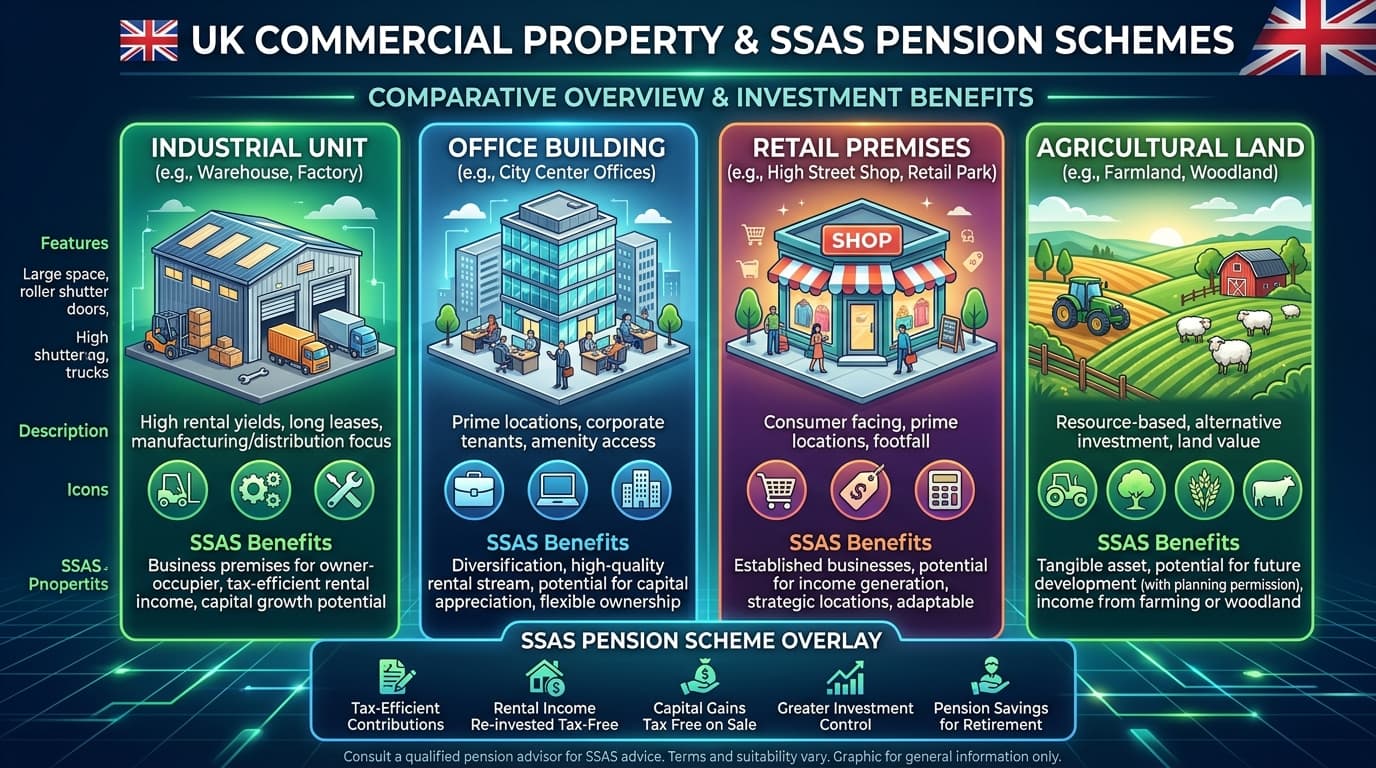
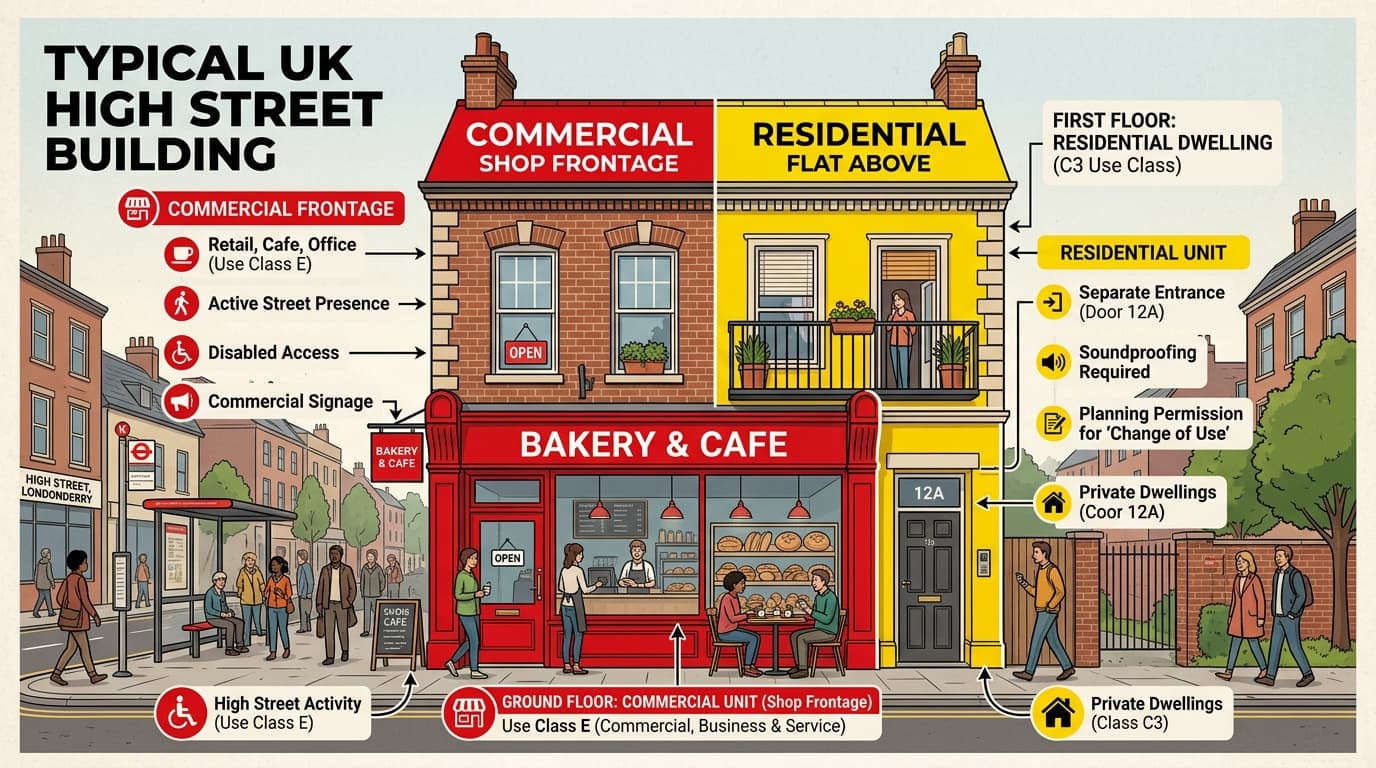
Retail property has faced significant structural headwinds in recent years — the rise of e-commerce, changing consumer behaviour, and the aftermath of the COVID-19 pandemic have all contributed to well-publicised difficulties on UK high streets. However, this challenging backdrop has also created acquisition opportunities for informed investors, and retail premises continue to feature in SSAS pension portfolios.
The key to successful retail property investment within a SSAS is selectivity. Not all retail is the same, and the divergence in performance between different retail formats and locations has never been wider. Understanding where the opportunities lie — and where the risks are concentrated — is essential for any SSAS trustee considering retail property.
The Tax Case for SSAS Retail Property
The fundamental tax advantages of SSAS property investment apply equally to retail premises. Rental income received within the SSAS is free from income tax, and capital gains on disposal are exempt from CGT. For retail property purchased at distressed valuations — which has been possible in recent years — the potential for future capital recovery combined with tax-free income can produce excellent risk-adjusted returns.
For business owners with a retail operation — independent retailers, food and beverage operators, or trade counter businesses — holding retail premises in a SSAS and renting them to the business creates the same dual tax advantage as any other connected party arrangement.
Where Retail Property Still Works: Selective Opportunities
Not all retail property should be avoided. The following sub-sectors have demonstrated relative resilience:
- Convenience retail: Local convenience stores, newsagents, and food retailers serving a captive local population have demonstrated strong demand even during challenging periods
- Pharmacy and healthcare: Pharmacies, dental practices, and medical centres are relatively e-commerce-proof and tend to have strong, reliable tenants
- Food and beverage: Pubs, restaurants, and coffee shops serving a genuine local market — not oversupplied locations — can generate reliable rental income
- Trade counter retail: Builders' merchants, electrical trade suppliers, and similar businesses have strong demand drivers and are less susceptible to online competition
- Out-of-town retail parks: Large-format retail (DIY, furniture, electrical) in strong out-of-town locations has adapted more successfully to the online era than traditional high street retail
Retail Property Risks for SSAS Trustees
Before committing SSAS funds to retail property, trustees should carefully consider the specific risks:
- Tenant insolvency: Retail tenants face higher insolvency risk than most other commercial occupier types — a thorough assessment of tenant financial strength is essential
- Rental volatility: Retail rents have fallen significantly in many locations, and upward-only rent review clauses have become less common in retail leases
- Void periods: If a retail tenant vacates, re-letting can be slow and costly — the SSAS must have sufficient liquidity to service any mortgage during void periods
- Capital expenditure: Some retail properties require significant fit-out or refurbishment to attract a new tenant after a vacancy
- Lease terms: Retail lease terms have shortened considerably — 5-year leases are now common where 15-25 years was the norm a generation ago
"We approach retail property in SSAS schemes with more caution than most other commercial types. That said, when we find a well-located, well-tenanted retail property at an attractive yield — particularly where the tenant is the client's own business — it can be an excellent addition to the pension fund." — Matt Lenzie
Due Diligence for SSAS Retail Acquisitions
Given the elevated risks in the retail sector, thorough due diligence is particularly important for SSAS retail property acquisitions:
- Obtain an independent RICS valuation from a surveyor with specific retail market experience
- Commission a structural survey and assess any required capital expenditure
- Conduct credit analysis on the tenant — company accounts, trading history, guarantees
- Review the lease carefully — break clauses, rent review mechanics, repairing obligations
- Assess the local retail market — vacancy rates, competing supply, catchment strength
- Consider EPC requirements and any costs required to achieve compliance
Financing Retail Property in a SSAS
SSAS mortgage lenders' appetite for retail property varies considerably. Some lenders are selective about retail, particularly for secondary high street locations or properties with short lease terms. However, good-quality retail with strong tenants can attract competitive financing.
Key points for financing retail through a SSAS:
- SSAS borrowing must remain within 50% of the scheme's net asset value
- Lenders will scrutinise tenant covenant strength particularly carefully for retail
- Longer unexpired lease terms (5+ years) are preferred
- Vacant retail properties may struggle to secure finance until a tenant is identified
Use our SSAS mortgage calculator to model financing scenarios and explore our panel of SSAS mortgage lenders.
Key Takeaways
- Retail property can feature in SSAS schemes but requires more selectivity than other commercial property types
- Resilient retail sub-sectors include convenience, pharmacy, food and beverage, trade counter, and out-of-town retail parks
- Tenant covenant, lease length, and location are the primary due diligence priorities
- Void periods and capital expenditure risk require the SSAS to maintain adequate liquidity
- SSAS mortgage finance is available for quality retail but lender appetite varies by property type
Discuss Retail Property Investment for Your SSAS
Contact our team to discuss retail property investment within your SSAS, or explore our guides on office property and choosing the right property type for your SSAS.
About the Author
Matt Lenzie
Former Banker & Corporate Finance Partner
Matt Lenzie is a former banker and corporate finance partner with extensive experience in pension-backed property transactions. He founded SSAS Property Finance to help company directors and trustees navigate the complexities of commercial property acquisition through Small Self-Administered Schemes.